Maine Coon Norwegian Forest Cat Mix: What New Owners Should Know
Two of the biggest, fluffiest cats in the world sometimes share the same litter. A Maine Coon Norwegian Forest Cat mix comes from a Maine Coon parent and a Norwegian Forest Cat parent. The result is a large cat with a thick coat and a gentle heart. Have you seen a cat that looks a bit like a small lynx, with tufted ears and big paws? You may have met one of these cats without knowing it.
This article covers size, coat, personality, health, cost, and daily care. By the end, you will know what to expect if one of these cats joins your home.
What Is a Maine Coon Norwegian Forest Cat Mix?
This cross is the offspring of a Maine Coon and a Norwegian Forest Cat. Sometimes both parents are in the same litter. Other times, the mix goes back further in a cat’s family tree.
Both parent breeds grew up in cold places. The Maine Coon developed in the harsh winters of New England. The Norwegian Forest Cat, often called a “Wegie,” survived the cold woods of Norway. Some cat historians believe Viking ships carried early ancestors of the Norwegian Forest Cat to North America. Those cats may have helped shape the early Maine Coon.
Because the two breeds share so much history, kittens from this mix usually look like an extra-large, extra-fluffy house cat. They do not look strange or exotic. Want the full picture of one parent breed on its own? Our Maine Coon cat overview covers coat colors, body shape, and history in detail.
No major cat registry, such as CFA or TICA, treats this mix as its own breed. That does not make these cats any less special. Mixed-breed cats often enjoy strong health. Vets call this benefit hybrid vigor.
How Big Does This Mix Get?
Both parent breeds rank among the largest house cats, so their kittens tend to grow into large adults.
- Male Maine Coons usually weigh 15 to 26 pounds. Females usually weigh 11 to 18 pounds.
- Male Norwegian Forest Cats usually weigh 13 to 20 pounds. Females usually weigh 9 to 13 pounds.
- A mixed male often lands between 13 and 24 pounds. A mixed female often lands between 9 and 15 pounds.
Growth is slow. Kittens from this mix keep filling out their chest, legs, and coat until age two or three. Most house cats finish growing by their first birthday.
Coat, Colors, and Appearance
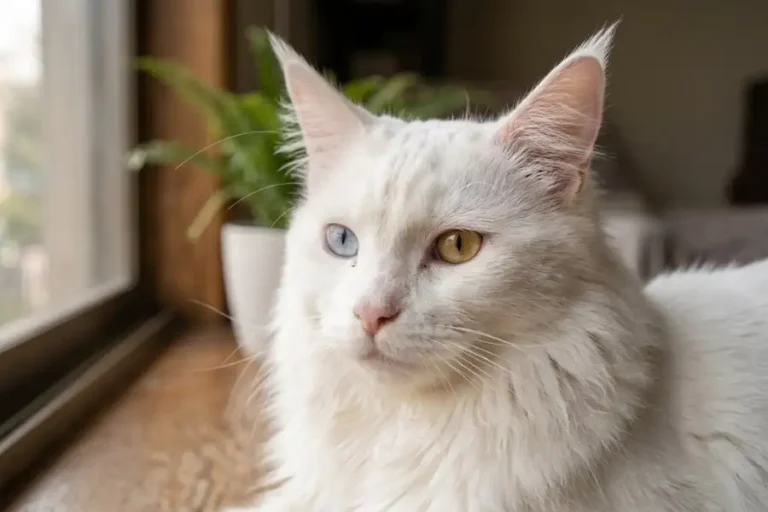
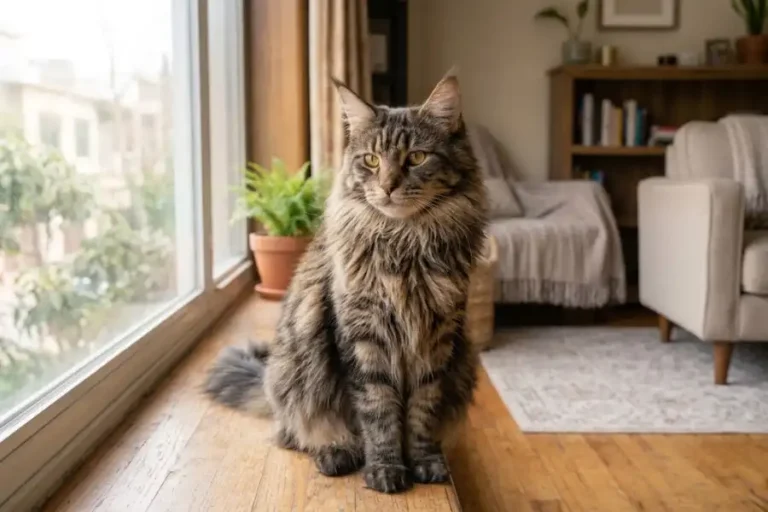
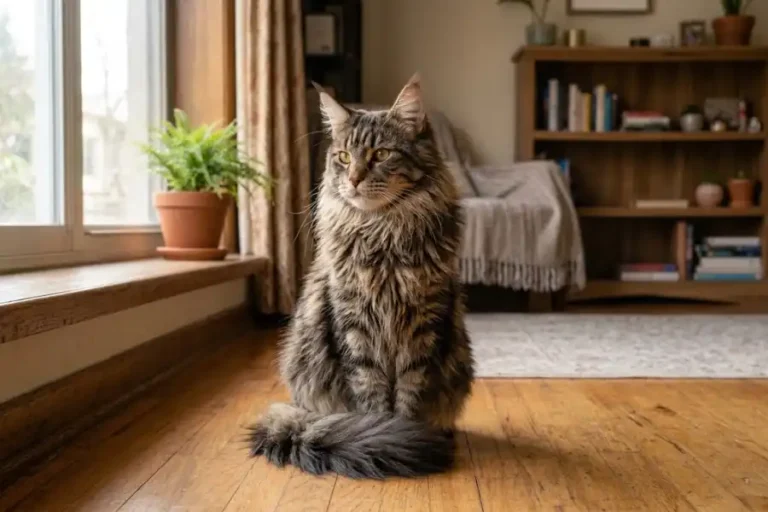
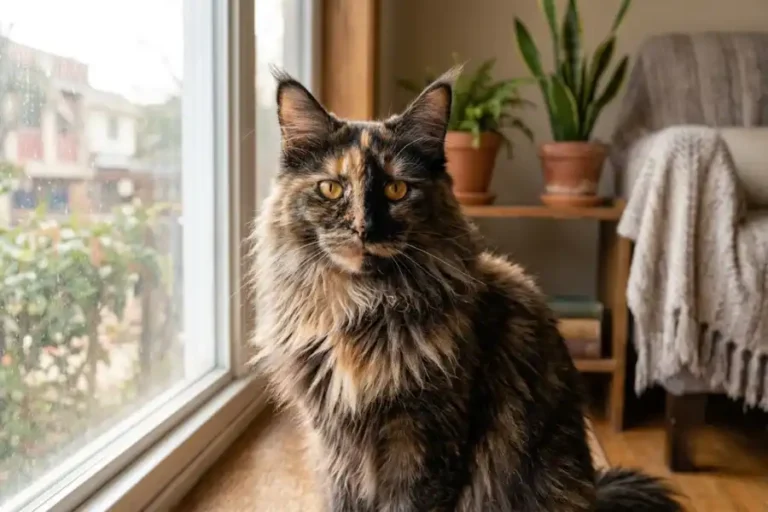
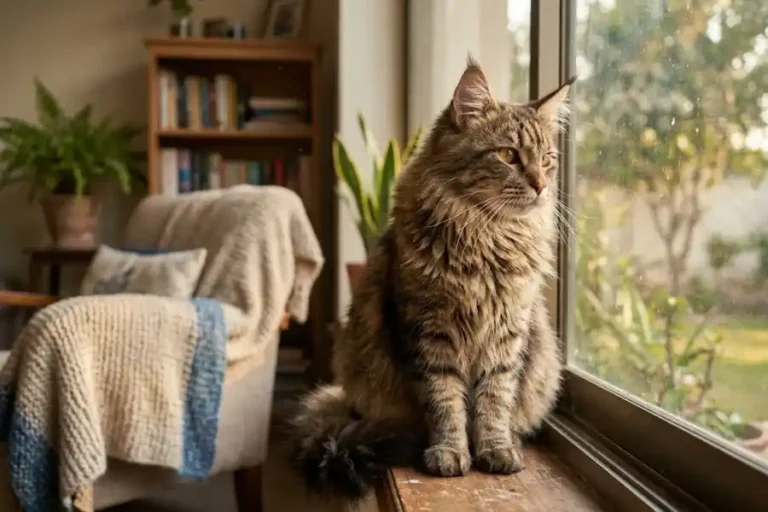
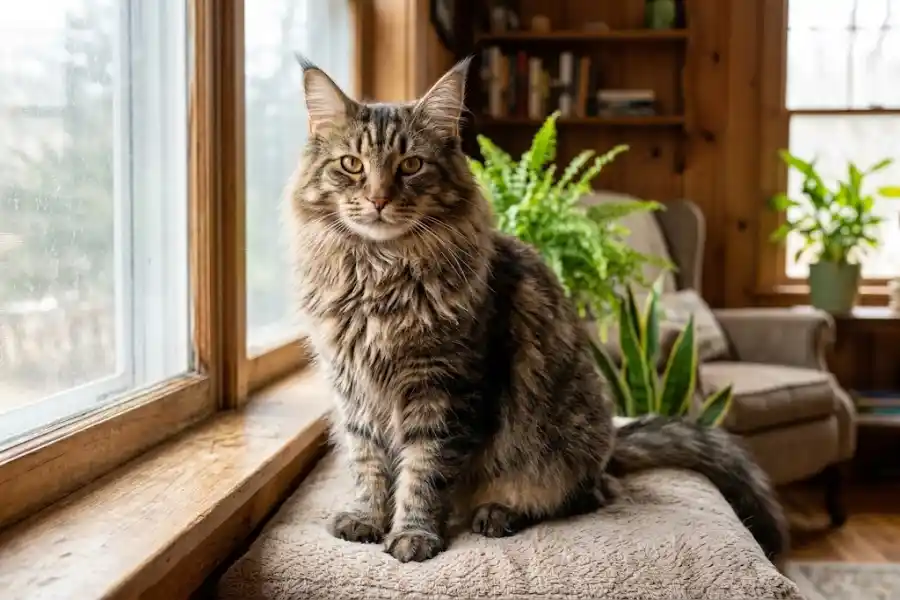
Both parent breeds wear a thick double coat built for snow and cold rain. So this Coon-Wegie cross almost always grows dense fur, a soft undercoat, and a water-shedding top layer. Expect a full ruff around the neck, a plumed tail, and tufted paws that look like tiny snowshoes.
Face shape can hint at which parent’s genes lead. A straight nose and a triangle-shaped head point toward the Norwegian Forest side. A squared muzzle and a slightly curved profile point toward the Maine Coon side. Many cats land somewhere in between, with a face that blends both looks.
Almost any coat color and pattern can appear. This includes tabby, solid, tortoiseshell, and bicolor coats. All that fur means regular brushing. Our piece on Maine Coon shedding explains how to manage loose fur during shedding season. Most of that advice works well for this mix too.
Personality and Temperament
Owners often call this mix a gentle giant with a playful side that lasts into adulthood. The Maine Coon side tends to bring a chatty, people-focused nature. These cats often chirp and trill instead of using a typical meow. The Norwegian Forest side tends to bring a calmer, more independent streak. Your cat may nap alone for a while before it seeks out your lap.
Put those traits together, and you get a cat that enjoys your company without demanding it every minute. Most cats from this mix get along well with kids, other cats, and even dogs. Early, calm introductions help a lot.
Many of these cats also share the Maine Coon’s odd love of water. If your cat paws at the sink or dips a toy in its water bowl, that is normal behavior. Our article on why Maine Coons love water explains this quirky habit in more detail.
Health and Lifespan
Because both parent breeds are large and slow-growing, a Maine Coon Norwegian Forest Cat mix needs a few extra health checks.
Hypertrophic cardiomyopathy is a thickening of the heart muscle. It shows up in both parent breeds, so ask your vet about a heart screening as your cat matures. Hip dysplasia and other joint problems are also more common in large-bodied cats. Regular vet visits, a healthy weight, and the right diet all help catch problems early.
With good care, this mix often lives a long life. Norwegian Forest Cats commonly reach 14 to 16 years. Maine Coons commonly reach 12 to 15 years. Many cats from both breeds live even longer. Our detailed piece on Maine Coon lifespan covers the factors that help these cats live longer, and the same advice applies here.
Grooming Needs
Plan to brush this cat two to three times a week. Brush daily during spring and fall shedding seasons. A metal comb or slicker brush works through the undercoat without pulling on the skin. Regular brushing also cuts down on hairballs. It keeps mats from forming behind the ears, under the legs, and around the tail.
Bathing is rarely needed. The coat naturally resists water and dirt. Trim nails every few weeks. Check ears for wax buildup, since those large, tufted ears can trap dirt.
Feeding This Large Breed
A big cat needs more food than an average house cat. Still, portion size should match your cat’s own weight and activity level, not a general rule. Look for a cat food with real meat listed first. Ask your vet about a large-breed formula if your cat is still growing. Kittens from this mix keep developing bone and muscle well past their first year. A diet made for adult cats, given too early, can slow that growth down.
Fresh water matters just as much as food. That is especially true given how many of these cats enjoy playing in their water bowl.
What Does This Mix Cost?
Prices vary a lot depending on where you find your cat.
- Shelter or rescue kittens typically cost $50 to $300 in adoption fees.
- Kittens from a small or backyard breeder often run $100 to $500.
- Planned litters from breeders who pair a Maine Coon with a Norwegian Forest Cat can cost $800 or more, though this exact pairing is uncommon among registered breeders.
Ongoing costs add up fast for a large cat. Expect to spend $50 to $80 a month on quality food. Add grooming tools, a sturdy scratching post, and a litter box built for a big-bodied cat. Many owners budget $100 to $200 a month once food, litter, toys, and routine vet care are added together. Pet insurance is worth considering, given this mix’s size and health screening needs.
Is This Cat Right for Your Family?
This mix tends to suit families that want an affectionate, interactive cat without a lot of drama. Kids, other cats, and friendly dogs usually get along well with these gentle giants. A calm introduction helps.
Apartment living works fine, as long as your cat has tall furniture to climb and enough playtime to burn off energy. Both parent breeds stay active despite their laid-back reputation.
Do you travel often, or want a cat that needs little interaction? A smaller, more independent breed may suit you better. This mix wants a family that sticks around.
Training and Enrichment
Both parent breeds rank among the smartest cat breeds, and this mix usually inherits that sharpness. Many owners teach their cats to fetch, walk on a harness, or follow simple commands using treats and patience. Puzzle feeders and interactive toys keep a smart, large-bodied cat from getting bored.
Tall cat trees, window perches, and scratching posts give your cat the vertical space it wants. A bored cat this size can do real damage to furniture. Enrichment is not optional. It is part of basic care.
Pros and Cons at a Glance
Pros
- Affectionate, loyal personality with plenty of playfulness
- Often healthier than a purebred, thanks to a wider gene pool
- Plush coat and an impressive size
- Gets along well with kids, cats, and dogs
Cons
- Heavy shedding, especially twice a year
- Higher food, litter, and grooming costs than an average cat
- Slow to mature, so adult size and personality take years to settle
- Needs regular vet checks for heart and joint health
Frequently Asked Questions
Is a Maine Coon Norwegian Forest Cat mix a recognized breed?
No. Cat registries such as CFA and TICA do not recognize this pairing as an official breed. It is a mixed or hybrid cat, valued for its size and temperament rather than a show pedigree.
How can I tell if my cat is this specific mix?
Look at the head shape, coat texture, and body length. A straight nose and triangle-shaped head point toward the Norwegian Forest side. A squared muzzle and rectangular head point toward the Maine Coon side. Many mixed cats show a blend of both features. A DNA test is the only way to know for sure.
Do these cats shed a lot?
Yes. Both parent breeds carry a thick double coat, so shedding is heavy in spring and fall. Regular brushing keeps loose fur under control and cuts down on hairballs.
Are cats from this cross-breed good with children?
Generally, yes. Both parent breeds are known for a patient, people-friendly nature. This mix usually inherits that same gentle side with kids and other pets.
Final Thoughts
This cross-breed cat brings together two of the friendliest, fluffiest breeds in the world. You get a large, playful companion with a soft heart and a thick coat that needs regular care. Ask any breeder or shelter about health screening. Meet the kitten’s parents if you can. Then get ready for a cat that keeps growing, in size and in your heart, for years to come.