Mixed Breed Maine Coon Cats: Traits, Health, and Cost
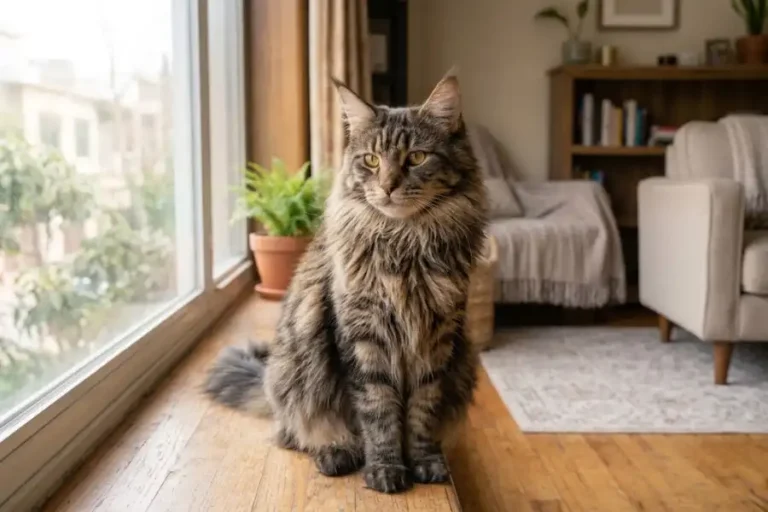
You look at your cat. Something feels different. The tufted ears. The huge paws. The fluffy tail that seems too big for the rest of the body. Could your cat be part Maine Coon?
You are not alone in asking this. Thousands of cat owners search for answers every single day. Mixed breed Maine Coon cats are one of the most talked-about topics in the cat world right now, and for good reason. They combine the size, charm, and loyal personality of a purebred Maine Coon with the surprise and variety that only a mixed breed can offer.
Below, you’ll find how to spot a Maine Coon mix, what traits to expect, common health concerns, daily care needs, and the real cost of bringing one home. No fluff. Just clear, useful facts you can use.
What Is a Mixed Breed Maine Coon Cat?
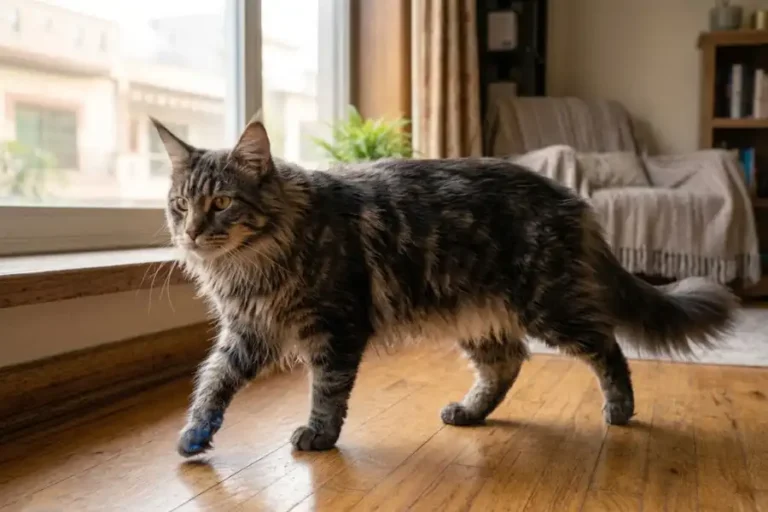
A mixed breed Maine Coon cat is any cat that has Maine Coon ancestry mixed with another breed or an unknown lineage. This means one parent was a Maine Coon, or a Maine Coon appears somewhere further back in the family line.
Because mixed breed cats do not follow strict breed standards, no two Maine Coon mixes look or act exactly alike. Even kittens from the same litter can turn out completely different. One kitten might look almost like a full Maine Coon. Another might barely show any signs at all.
This is part of what makes mixed breed Maine Coon cats so exciting to own. Every one is a little bit of a mystery.
How to Tell If Your Cat Is Part Maine Coon
Many owners adopt a fluffy cat from a shelter with no paperwork at all. So how do you know if Maine Coon genes are in the mix? Here are the clearest signs to look for.
Check the Size and Body Build
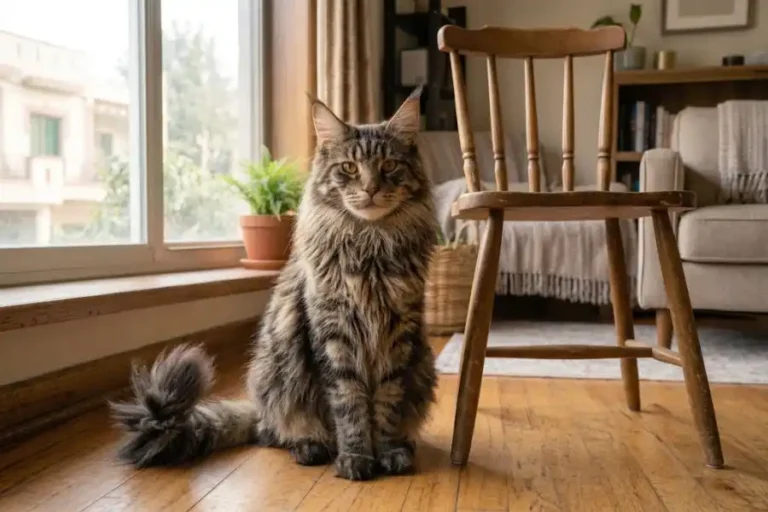
Maine Coons are the largest domestic cat breed native to the United States. Full-grown adults usually weigh between 9 and 25 pounds and stand about 10 to 16 inches tall. If your cat is noticeably larger than average, with a thick, rectangular body and strong bones, that is a strong clue.
Look at the Coat and Ruff
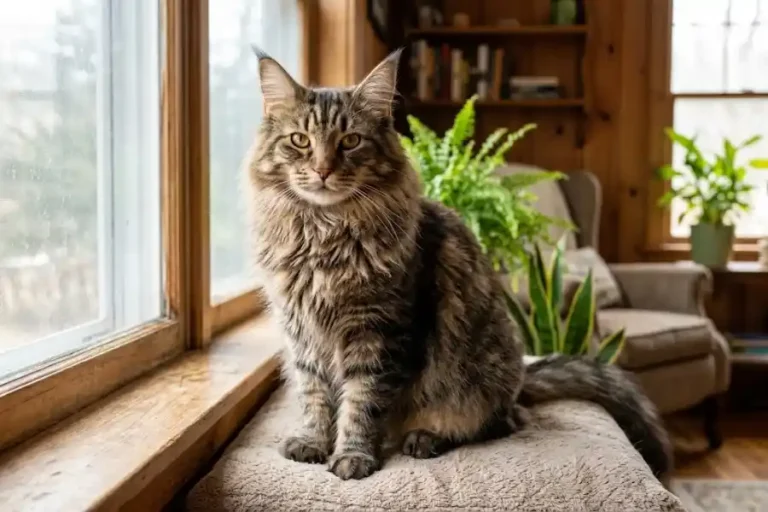
Purebred Maine Coons have a thick, water-resistant double coat. Around the neck, they often grow a puffy ruff of fur that looks a bit like a lion’s mane. Mixed Maine Coons can still show this feature, though it is usually thinner and less dramatic than in a purebred.
Watch How Slowly They Grow Up
Most cats reach full maturity by one or two years old. Maine Coons take much longer, often close to four or five years. If your cat is still filling out and gaining size well past kitten age, this slow growth pattern points toward Maine Coon ancestry.
Notice the Personality Clues
Maine Coons are famous for acting more like dogs than cats. They often follow their owners from room to room, learn simple tricks, and greet people at the door. They also tend to “talk” using soft chirps and trills instead of a normal meow, a habit we cover in more detail in our piece on Maine Coon Vocalizations. If your cat does any of this, it adds to the evidence.
A single trait rarely proves anything on its own. It is the combination of size, coat, slow growth, and personality together that gives the strongest clue that your cat is a Maine Coon mix.
Popular Maine Coon Mix Combinations
Maine Coons have been mixed with many other breeds over the years. Each combination brings its own personality and look. Here are some of the most common ones you will find.
- Maine Coon x Domestic Longhair or Shorthair: This is by far the most common mix. These cats often inherit the Maine Coon’s size and thick coat without a fixed pattern.
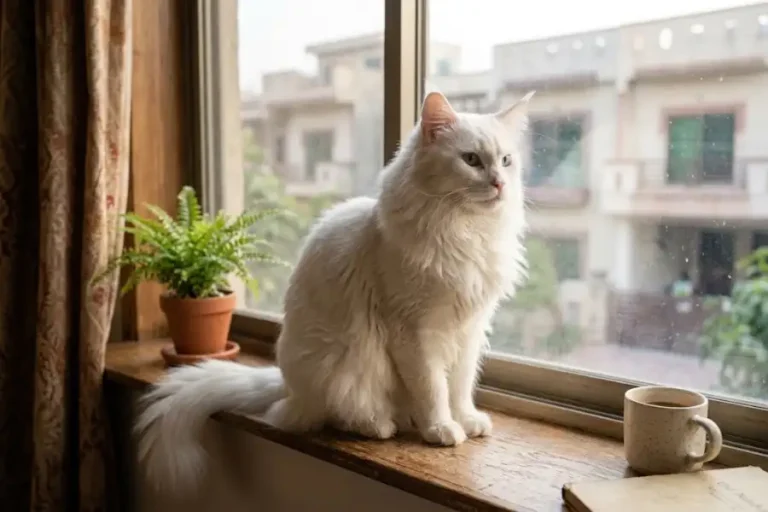
- Maine Coon x Persian: Known for extremely long, dense fur and a softer face. These cats need daily grooming to prevent matting.
- Maine Coon x Ragdoll: A gentle, relaxed cat that often has striking blue eyes and a calm, easygoing nature.
- Maine Coon x Siamese: A more vocal, social mix that combines the Maine Coon’s size with the Siamese’s talkative streak.
- Maine Coon x Norwegian Forest Cat: Two large, cold-weather breeds that produce an especially sturdy, weather-ready cat.
- Maine Coon x Bengal: A more active, athletic mix with a bold coat pattern and a playful, curious streak.
Personality and Temperament of Maine Coon Mixes
Most mixed breed Maine Coon cats inherit at least some of the breed’s famously gentle nature. They tend to be friendly, patient, and good with children and other pets. Many owners describe them as calm but playful, happy to nap for hours and then suddenly race across the room chasing a toy.
They are also usually smart. Maine Coon mixes often learn their name quickly, figure out how to open doors or cabinets, and enjoy interactive toys and puzzle feeders. Because they are so intelligent, boredom can become a problem if they are left without enough to do.
Health Considerations for Mixed Breed Maine Coon Cats
One major advantage of mixed breed cats is something called hybrid vigor. When two different genetic lines combine, the resulting kittens often inherit a wider, healthier gene pool than a purebred cat would have. This can lower the risk of certain inherited diseases.
Even so, a Maine Coon mix can still inherit health issues linked to the Maine Coon side of the family. It helps to know what to watch for.
- Hypertrophic Cardiomyopathy (HCM): A heart condition that is more common in Maine Coons than in many other breeds. Regular vet checkups can catch it early.
- Hip Dysplasia: More likely in large, heavy-boned cats. Keeping your cat at a healthy weight helps protect the joints.
- Spinal Muscular Atrophy (SMA): A rare inherited condition that can be tested for by a vet if you are concerned.
- Polycystic Kidney Disease (PKD): Less common in mixes than in purebreds, but still worth mentioning to your vet.
- Obesity and dental disease: Common in almost all large, food-loving cats, and easy to manage with the right diet and dental care.
Annual vet visits, bloodwork, and a heart screening every few years are smart habits for any Maine Coon mix owner.
Daily Care: Food, Grooming, and Exercise
Caring for a mixed breed Maine Coon cat is not complicated, but a few things matter more than they would for an average cat.
- Diet: Choose a high-quality food made for large or active breeds. Watch portion sizes closely, since these cats can gain weight easily if food is left out all day.
- Grooming: Most Maine Coon mixes need brushing two to three times a week to prevent tangles and keep Maine Coon Shedding under control. Longhaired mixes may need daily brushing.
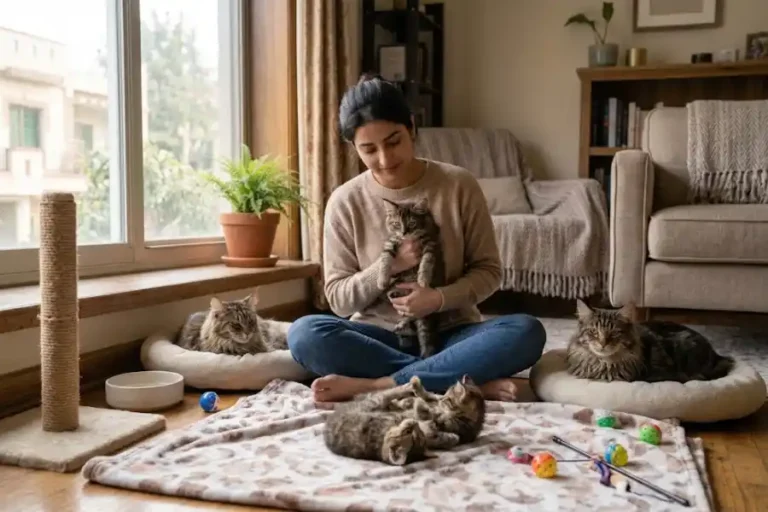
- Exercise: These cats are natural climbers. A tall cat tree, window perches, and regular play sessions help burn off energy and prevent boredom.
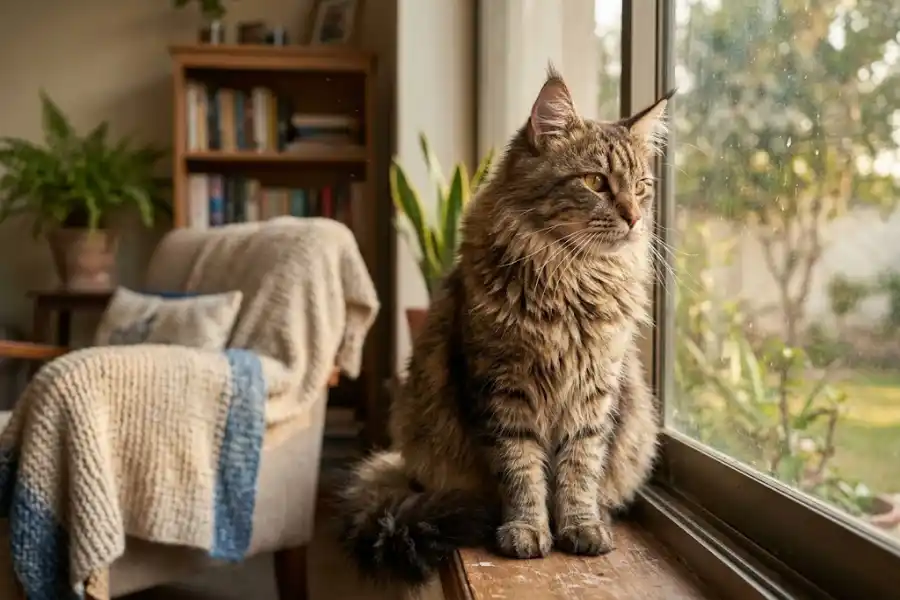
- Living space: Maine Coon mixes do well in houses and apartments alike, as long as they have enough room to stretch, climb, and explore. If you live in a smaller space, our article on Maine Coon Apartment Living covers practical ways to keep them happy indoors.
How Much Does a Maine Coon Mix Cost?
This is one question many articles skip, but it matters a lot when you are planning to bring one home.
Adopting a Maine Coon mix from a shelter or rescue usually costs between 50 and 200 dollars. This fee often includes vaccinations, spaying or neutering, and a basic health check, which makes adoption one of the most affordable ways to bring one home.
Buying a Maine Coon mix kitten from a breeder is a different story. Prices often range from 300 to 800 dollars, sometimes more, depending on how closely the kitten resembles a purebred Maine Coon. Ongoing costs like food, litter, grooming tools, and vet visits typically add up to 40 to 70 dollars a month for an average adult cat.
Pros and Cons of Owning a Maine Coon Mix
- Pro: Often healthier than purebreds thanks to hybrid vigor.
- Pro: Friendly, loyal, and great with families.
- Pro: More affordable than a purebred Maine Coon.
- Con: Grooming needs can be high, especially for longhaired mixes.
- Con: Large size means higher food costs over time.
- Con: Appearance and temperament can be unpredictable, especially in kittens.
Frequently Asked Questions
Can a Maine Coon mix be registered as a purebred?
No. Cat registries like the CFA only register purebred Maine Coons with documented parentage. A mixed breed cat, no matter how much it looks like a Maine Coon, cannot be registered as one.
Do Maine Coon mixes stay small if one parent was a smaller breed?
Not always. Size depends on genetics from both parents, and it is hard to predict how a kitten will grow. Many mixes still end up larger than an average house cat.
Are Maine Coon mixes hypoallergenic?
No cat is fully hypoallergenic, and Maine Coon mixes are no exception. Their thick coats can trap even more dander, so allergy sufferers should spend time with the cat before adopting.
How can I confirm my cat’s breed for certain?
The only certain way is a cat DNA test. These tests are affordable, simple to use at home, and can confirm Maine Coon ancestry along with other breeds in your cat’s background.
Final Thoughts
Mixed breed Maine Coon cats offer the best of both worlds: the size, charm, and loyalty people love about Maine Coons, combined with the health benefits and individuality that come from a mixed background. Whether you already share your home with one or you are thinking about adopting, understanding these traits helps you give your cat the care it needs to thrive.
Every mixed breed Maine Coon cat tells its own story. Yours might be part lion, part house cat, and completely one of a kind.