Tortie Maine Coon Cat: Colors, Personality, and Cost Explained
Tortie Maine Coon cats catch every eye they meet. Their coat mixes black, red, and cream in a pattern that never repeats. No two cats look the same. But there is more to this cat than a pretty coat. It also carries a personality that many owners call “tortitude.” That means bold, funny, and full of opinions. This piece covers coat colors, personality, cost, and daily care. You will know what life with a tortie Maine Coon looks like.
What Is a Tortie Maine Coon Cat?
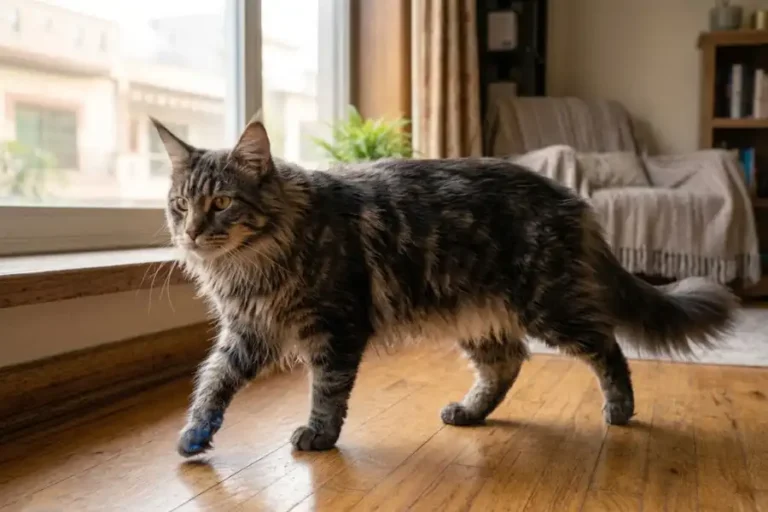
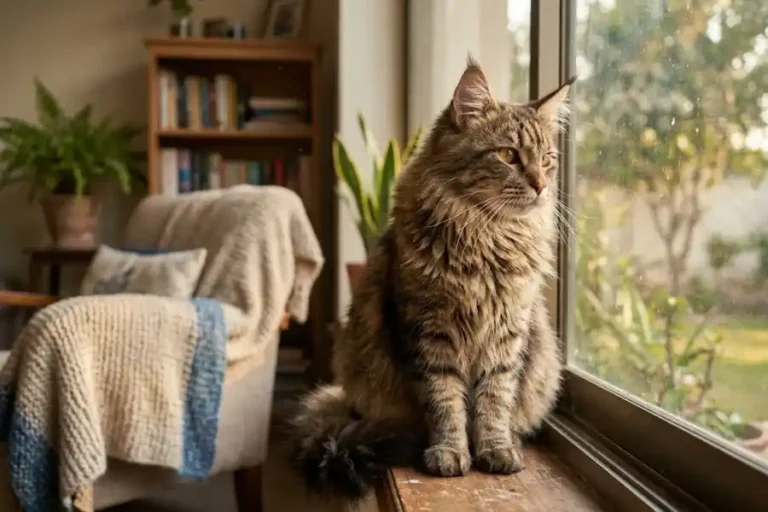
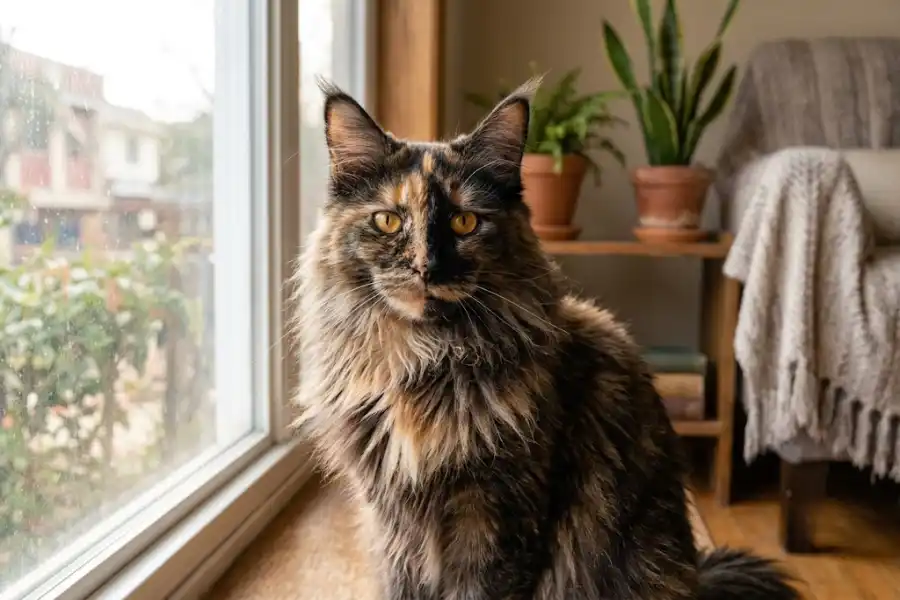
A tortie Maine Coon is not a separate breed. It is a Maine Coon cat with a tortoiseshell coat pattern. The word “tortie” is short for tortoiseshell. The name comes from the mix of colors, which looks like the shell of a sea turtle. Black, red, orange, and cream patches blend together. No two cats wear the pattern the same way.
The tortie pattern comes from a color gene, not a breed line. So a tortie Maine Coon shares the same body and health background as any other Maine Coon. The color just sits on top of the breed’s usual traits: a large body, tufted ears, a bushy tail, and a warm, social nature.
Why Are Most Tortie Maine Coons Female?
This is a common question about the tortie Maine Coon cat. The answer sits in genetics.
The gene for black and red coloring sits on the X chromosome. Female cats have two X chromosomes (XX). So they can carry both black and red genes at once. That mix shows up as the patchy tortie pattern. Male cats usually have one X and one Y chromosome (XY). That means they can only carry one color gene, not both.
This is why close to 99 percent of tortie Maine Coons are female. A male tortie Maine Coon does exist. But it is rare, showing up in roughly 1 in 3,000 cats. These males carry an extra X chromosome (XXY). Most of them cannot father kittens.
Common Tortie Maine Coon Colors and Patterns
No two tortie Maine Coons look quite the same, but most coats fall into a few groups:
- Black Tortie: Black fur mixed with red or orange patches. This is the most common type.
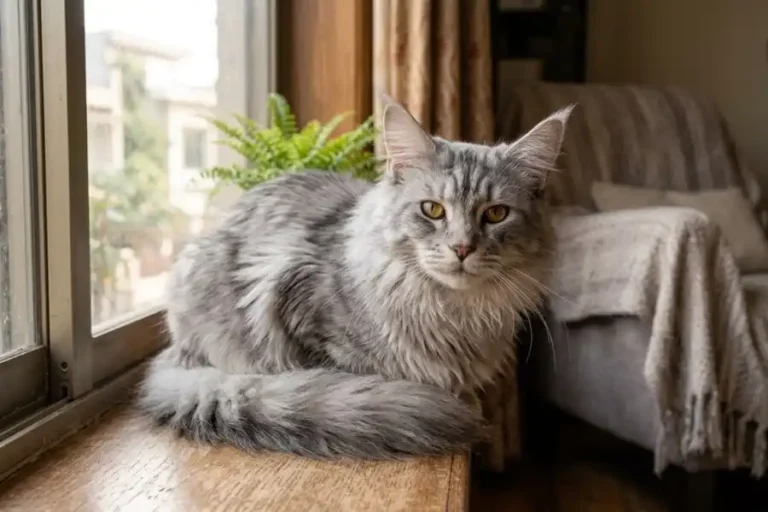
- Blue Tortie: A soft, dusty gray-blue mixed with cream patches.
- Torbie: Tortie color mixed with tabby stripes.
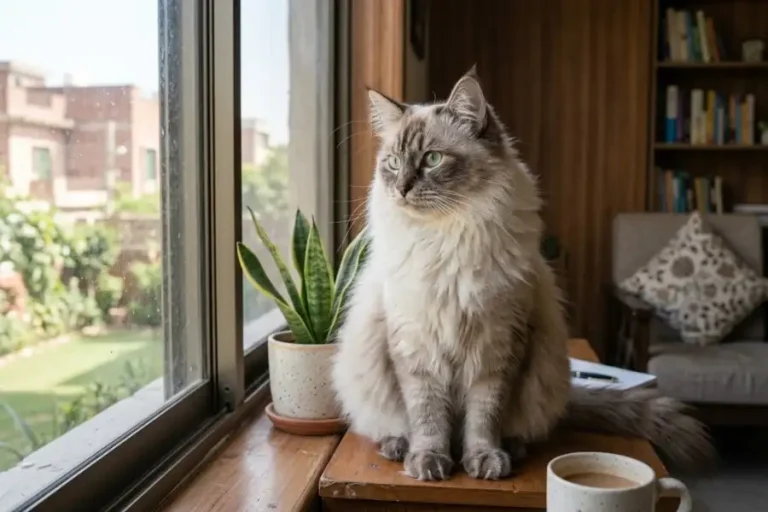
- Dilute Tortie: A soft, pale version of the tortie pattern.
- Tortie and White: Tortie patches with white fur on the chest, paws, or face.
Owners often mix up the tortie pattern with the calico Maine Coon. But the two are not the same. A calico coat always has large white areas along with black and red patches. A classic tortie coat has little to no white.
Tortie Maine Coon Personality: Is “Tortitude” Real?
Cat owners use the word “tortitude” to describe the bold, sassy attitude many tortie cats seem to carry. Is this attitude real, or just a fun nickname? Vets have not found solid proof that coat color changes personality. Still, many owners of tortie Maine Coons report the same traits. They mention strong opinions, high energy, and a habit of “talking back.”
Part of this may come from the Maine Coon breed itself. Maine Coons are social, sharp-minded, and chatty. Want to know more about how vocal this breed can be? This piece on Maine Coon vocal sounds breaks it down. Mix that natural chattiness with a tortie’s bold streak. You get a cat that rarely stays quiet about what it wants.
Tortie Maine Coons tend to bond closely with one person or family. They are playful, curious, and quick learners. But they also like to make their own choices. This cat may greet you at the door one day. The next day, it may act coolly independent. Owners often say that living with a tortie means expecting a bit of both.
How Much Does a Tortie Maine Coon Cost?
Tortie Maine Coon kittens usually cost between $1,000 and $3,000 in the United States. Prices shift based on the breeder, location, and bloodline. Kittens from champion parents or rare color lines can cost $4,000 or more. Rescue or adoption fees run much lower, often between $100 and $300. But these cats are hard to find in shelters, since so many people want them.
When you compare prices, look past the number alone. A fair price usually reflects health testing, clean living conditions, and clear records from the breeder. A low price with no health records can cost more later in vet bills.
Health and Daily Care for a Tortie Maine Coon
A tortie Maine Coon needs the same care as any Maine Coon. That means regular grooming for a long, thick coat. It also needs a balanced, high-protein diet. You can check the right portion size with this Cat Calorie Calculator. Give it room to stretch and play, too. This breed grows large and stays active well into adulthood.
Like all Maine Coons, torties can be prone to a heart condition called hypertrophic cardiomyopathy, or HCM. A vet can screen for it with a simple test. Keeping your cat at a healthy weight and booking yearly checkups helps a lot. Want to know how long this breed tends to live? This piece on Maine Coon lifespan covers it well.
Brushing two to three times a week helps prevent mats, especially around the neck ruff and tail. Torties do not need extra care compared to other coat colors. Their needs are tied to the breed, not the pattern.
Frequently Asked Questions
Is a tortie Maine Coon rare?
Tortie Maine Coons are not the rarest color, but they are less common than solid colors like black or red. Male torties are truly rare, showing up in about 1 in 3,000 cats.
Do tortie Maine Coons have health problems tied to their color?
No solid link exists between tortie coloring and extra health issues. The main risks, like HCM and hip dysplasia, come from the breed itself, not the color.
Can a tortie Maine Coon be male?
Yes, though it is uncommon. Male torties usually carry an extra X chromosome. Most cannot father kittens.
Are tortie Maine Coons friendly?
Yes. They tend to be affectionate with their chosen people. They also stay independent and full of opinions. Owners often call this mix “tortitude.”
Final Thoughts
A tortie Maine Coon cat brings together two things cat lovers adore. It has the size and warmth of the Maine Coon breed. It also has the bold, ever-changing beauty of a tortoiseshell coat. Whether you already share your home with one, or you are still deciding, this cat is rarely boring. Between the color, the size, and the personality, it tends to become the most talked-about member of the household.