Coon Bathing Routine: How Often to Bathe Your Cat and Keep
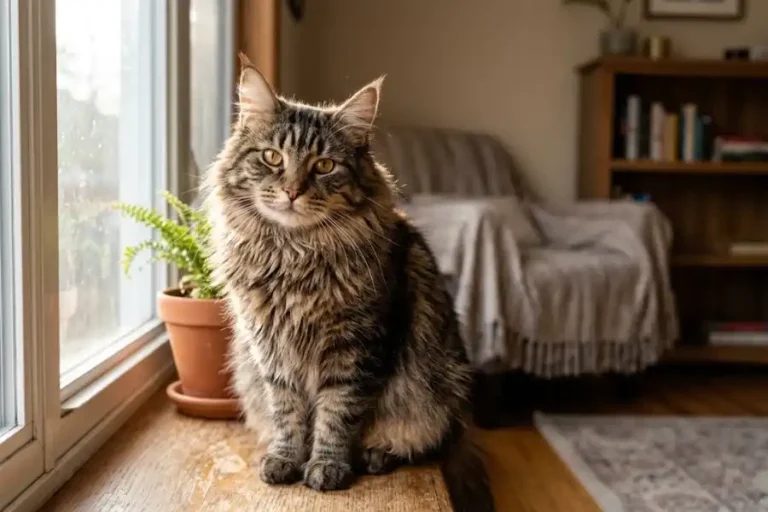
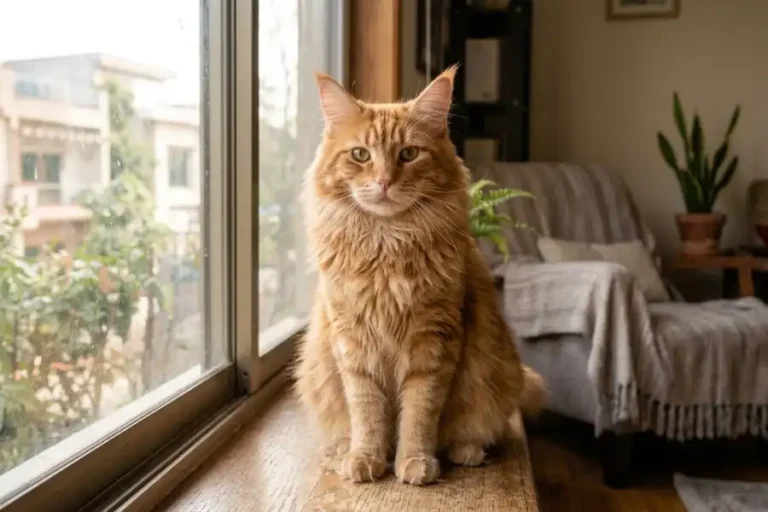
Maine Coons are big, fluffy, and often calmer around water than other cats. But their size and thick double coat mean bath time takes some planning. If you want a bathing routine that keeps your cat clean, comfortable, and happy, you are in the right place.
This article covers how often to bathe a Maine Coon, what supplies to gather, a step-by-step process you can follow at home, and tips to keep your cat calm from start to finish.
Do Maine Coons Need Baths at All?
Most Maine Coons groom themselves well. Their tongue and daily grooming habits remove a lot of loose hair and dirt on their own. Because of this, many owners never bathe their cat and their coat still looks healthy.
That said, a bath still has its place. This breed has long, thick fur that can trap dirt, oils, and loose hair that regular grooming misses. A bath every so often can help prevent mats, cut down on shedding, and keep the skin healthy.
Some Maine Coons even like water more than other breeds. If yours splashes in the water bowl or watches the tub with curiosity, our piece on Maine Coon and water looks at why this breed tends to be less afraid of getting wet.
How Often Should You Bathe a Maine Coon?
There is no single number that fits every cat. Most groomers and long-time owners suggest a bath every six to eight weeks for a typical indoor Maine Coon. This keeps the coat clean without stripping away the natural oils that protect the skin.
A few things can change that schedule:
- Coat type: cats with a thicker, denser coat may need baths a bit more often to prevent mats.
- Activity level: an outdoor or highly active cat that gets dirty often may need a bath sooner.
- Skin condition: cats with dry or sensitive skin often do better with fewer baths.
- Age: senior cats may struggle to groom themselves fully and can need a hand more often.
- Allergies: if your cat has skin allergies, your vet may suggest a set bathing schedule with a medicated shampoo.
As a general rule, bathe your Maine Coon only when they need it. Bathing too often can dry out the skin and lead to irritation, so once every six to eight weeks is a safe starting point for most cats.
What You Need Before Bath Time
Gather these items before you bring your cat near the water. Having everything ready cuts down on stress for both of you.
- A cat-specific shampoo (human shampoo is too harsh for a cat’s skin)
- Two or three large, absorbent towels
- A cup or handheld sprayer for rinsing
- A wide-tooth comb or slicker brush
- A non-slip mat for the sink or tub
- A few small treats
- A soft washcloth for the face
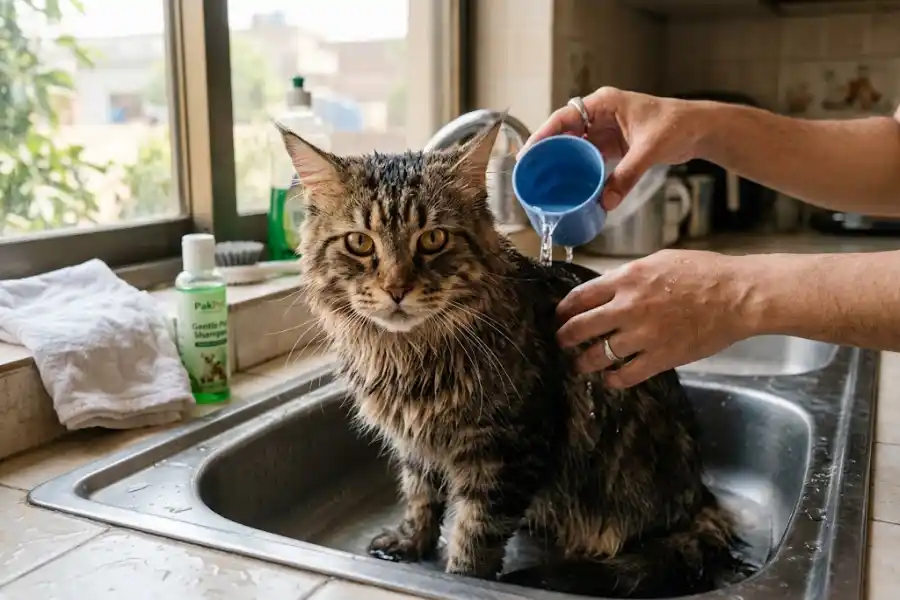
Because Maine Coons are large cats, a kitchen sink or a small tub often works better than a regular bathroom sink. Give yourself enough room so your cat does not feel boxed in.
Bath Time Tips for a Big Cat
This breed is not like most house cats. A grown male can weigh 15 pounds or more, and a female is not far behind. That extra size changes bath time in a few ways.
You will need more water, more towels, and more room to work with. A small bathroom sink is often too tight for a full-grown Maine Coon, so a kitchen sink, a laundry tub, or a shallow bathtub tends to work better. Their tail and paws are also larger, so give yourself extra time to wash and rinse those areas fully.
Their thick, water-resistant undercoat can also make it harder to get the coat fully wet. Take your time when wetting the fur, and be sure the water reaches all the way down to the skin instead of staying on the top layer of fur. This same trait means drying takes longer too, so plan for more time and more towels once the bath is done.
Step-by-Step Maine Coon Bathing Routine
Follow these steps in order for a smooth bath.
- Brush first. Comb through your cat’s coat before any water touches it. This removes loose hair and works out small tangles before they turn into mats once wet.
- Trim the nails. A quick nail trim before the bath lowers the risk of scratches if your cat gets startled.
- Set the water temperature. Fill the tub or sink with a few inches of lukewarm water. Water that is too hot or too cold can upset your cat and make the whole process harder.
- Wet the coat. Use the cup or sprayer to wet your cat’s body slowly, starting at the back and working down. Keep water away from the face and ears.
- Apply shampoo. Work a cat-safe shampoo into the coat, starting at the neck and moving toward the tail. Pay attention to the belly, legs, and the base of the tail, where dirt tends to collect.
- Rinse well. Rinse until the water runs clear. Leftover shampoo can irritate the skin and cause itching, so this step matters more than people expect.
- Clean the face separately. Use a damp washcloth to wipe the face and around the eyes. Avoid pouring water directly over your cat’s head.
- Wrap and comfort. Lift your cat out and wrap them in a towel right away. Speak softly and offer a treat to end the bath on a good note.
How to Keep Your Maine Coon Calm During the Bath
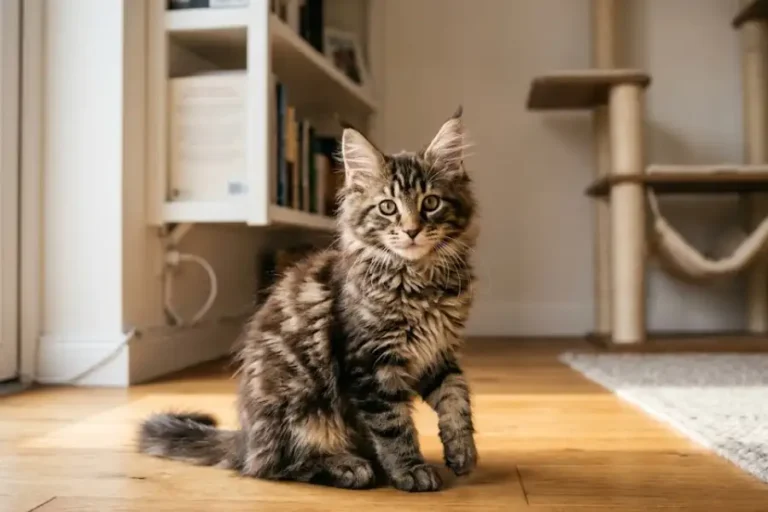
- Start young if you can. Kittens that get used to gentle handling and water early tend to accept baths more easily as adults.
- Keep the room warm and quiet. Close the door to avoid loud noises or sudden movement.
- Work quickly but gently. A shorter bath is a calmer bath.
- Use a calm voice. Your tone matters more than you might think.
- Bring a helper if you can. A second person to hold the towel or soothe your cat can make the process easier for a big, strong cat.
- Reward good behavior. A treat after the bath helps your cat connect bath time with something positive.
After the Bath: Drying and Care
This breed has a thick undercoat that holds water, so drying takes real effort.
- Squeeze out extra water gently with a towel. Do not rub, as this can tangle the coat.
- Use a second dry towel to soak up more moisture.
- If your cat tolerates it, use a blow dryer on the lowest, coolest setting, held a few inches away from the coat.
- Comb through the fur again while it dries to stop new tangles from forming.
- Keep your cat in a warm room until fully dry, especially in colder months.
A cat left damp for too long can get cold, so do not skip this part of the routine.
Common Mistakes to Avoid
- Using human shampoo. It can strip natural oils and irritate the skin.
- Skipping the pre-bath brush. Wet mats are much harder to remove than dry ones.
- Bathing too often. This can dry out the skin and cause more shedding, not less.
- Leaving your cat alone in the water. Always stay close for safety.
- Rushing the rinse. Leftover shampoo is one of the most common causes of skin irritation after a bath.
- Skipping coat care afterward. A coat left tangled while wet often mats as it dries.
If your cat sheds heavily during certain seasons, it helps to pair your bathing routine with regular brushing. Our piece on Maine Coon shedding covers how to manage loose fur between baths.
Signs Your Maine Coon Needs a Bath Sooner
Even with a set schedule, watch for these signs that a bath is due early:
- Visible dirt, grease, or stains in the coat
- A noticeable odor
- Mats or tangles that brushing alone cannot fix
- Flaky or irritated skin
- Recent exposure to something messy, like mud or spilled food
Final Thoughts
A steady bathing routine, paired with regular brushing, keeps a Maine Coon’s coat soft, clean, and healthy without putting stress on the skin. Most cats do well with a bath every six to eight weeks, though your cat’s coat, age, and health may call for a different schedule.
If you are building out a full care routine for your cat, our Maine Coon cat care hub covers everything from diet to daily habits. And since grooming plays a role in your cat’s long-term health, our piece on Maine Coon lifespan is worth a look too.
Frequently Asked Questions
How often should I bathe my Maine Coon?
Most Maine Coons do well with a bath every six to eight weeks. Cats with skin issues, allergies, or an active outdoor lifestyle may need a different schedule, so check with your vet if you are unsure.
Do Maine Coons like water?
Many Maine Coons show more interest in water than other cat breeds. Some will play in a water bowl or watch a running faucet. This does not mean every cat enjoys a full bath, but it often makes the process easier.
Can I use a dry shampoo instead of a wet bath?
Yes. A cat-safe dry shampoo or cornstarch-based powder can help between baths, especially for cats that get anxious around water. Brush it out fully after use.
What if my cat hates bath time?
Keep sessions short, use treats, and stop if your cat becomes highly stressed. Some cats do better with a professional groomer who has experience handling large, strong cats.
Is it safe to bathe a Maine Coon kitten?
Yes, once a kitten is a few months old and has had its first vaccinations, a gentle bath is safe. Keep the water shallow and the session short, and always keep the room warm.