High Protein Cat Food for Maine Coon Cats: What These Big Cats Really Need
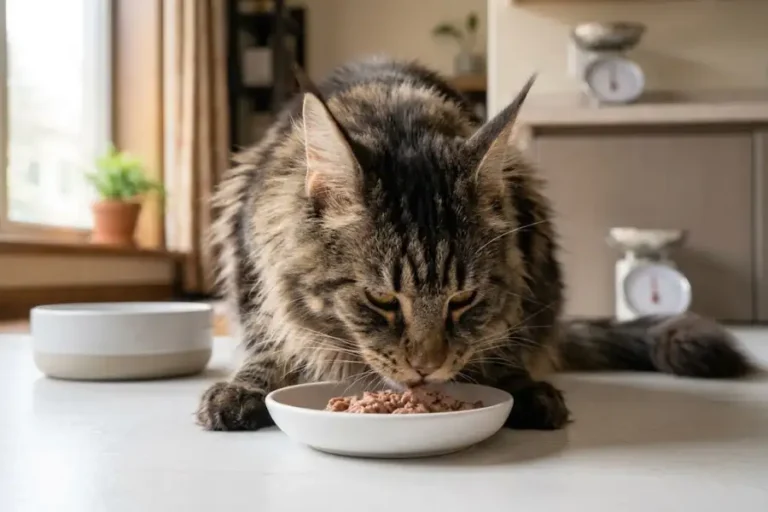
Maine Coons are not like other house cats. They are big. They are strong. They are always on the move. That kind of body needs real fuel. Maybe you have searched for high protein cat food for Maine Coon cats before. If so, you already know how confusing pet food labels can be. This article breaks down how much protein your cat needs. It covers which foods matter most. It shows you how to pick food that keeps your Maine Coon strong and happy for years to come.
Why Maine Coons Need More Protein Than an Average Cat
Cats are obligate carnivores. This means their bodies run on meat, not grains. Maine Coons take this even further. They are the largest breed of house cat. Many males weigh 15 to 25 pounds once grown. That much muscle does not build itself. It needs a steady supply of animal protein.
Maine Coons also grow slowly. Most cats stop growing by one year old. A Maine Coon can keep growing until it is three or four. During that whole time, its body needs extra protein. It uses this protein to build bone, muscle, and a thick coat. Feed a low protein food during these years, and your cat may start to lose muscle just to get by.
How Much Protein Should Be in Your Maine Coon’s Food?
Pet food rules say adult cats need at least 26 percent protein. That is just the floor, not the goal. Maine Coons carry a lot of muscle. Because of this, most vets suggest aiming higher.
Here is a simple way to think about it, broken down by age:
- Kittens and young cats under four years old: often do best on food with 35 to 40 percent protein, since their bodies are still growing fast.
- Adult Maine Coons past four years old: tend to do well on food with 30 to 35 percent protein, which helps them keep their muscle and energy.
- Senior Maine Coons: may need a bit less, closer to 28 to 32 percent, especially if a vet has flagged any kidney concerns.
These numbers are just a starting point. Every cat is different. It always helps to check with your vet before you make a big change.
What to Check on the Label Before You Buy
Reading a pet food label takes some practice. Here is what really matters.
- The first ingredient should be a named meat. Look for words like chicken, turkey, or salmon. Skip vague terms like “meat meal” or “poultry by-product.”
- Check the small panel on the back of the bag. This shows the true protein percentage, unlike the claims on the front.
- Look for taurine on the ingredient list. Cats cannot make enough of this on their own, and it supports heart and eye health.
- Skip foods that list corn, wheat, or soy near the top. These are cheap fillers that your cat’s body cannot use well.
- Watch out for added sugar or artificial color. Neither one helps a Maine Coon’s health, and both can upset a sensitive stomach.
The Best Protein Sources for a Maine Coon
Not all protein is equal. Some kinds digest better. Some pack more nutrients per bite.
- Chicken: easy to find, gentle on the stomach, and a common first ingredient in quality foods.
- Turkey: works well for cats who react to chicken, and it offers a similar mix of nutrients.
- Salmon and other fish: bring healthy fats to the table that support skin and a thick coat. Pair a fish-based food with a good coat care routine if shedding season hits hard at your house.
- Duck and rabbit: less common, but useful if your cat has food sensitivities, since your cat’s body has often not been exposed to them before.
- Lamb: rich and filling, though it runs higher in fat, so it suits active cats better than lazy ones.
Wet Food, Dry Food, or Both?
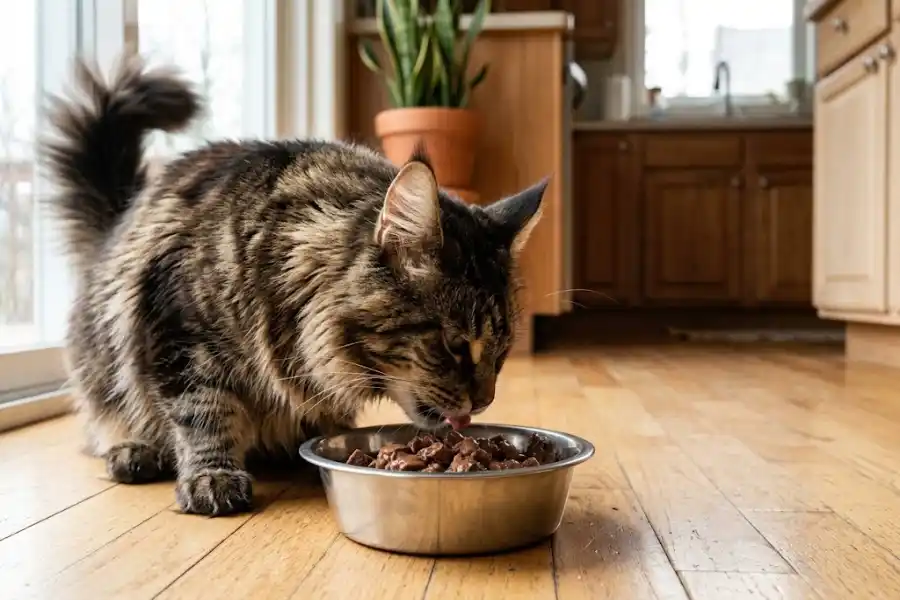
This question comes up in almost every Maine Coon home. Dry food is easy to store, and it often costs less per pound. Wet food carries more water, and this matters a lot for this breed, since Maine Coons can be prone to urinary and kidney issues later in life.
A mix of both often works best. Try wet food in the morning and at night, and leave dry food out for grazing in between. This gives your cat protein plus extra water it might skip on its own. Cats are famously bad at drinking enough water, so read more about how much water your Maine Coon needs to see how this all fits together.
Signs Your Maine Coon May Not Be Getting Enough Protein
Watch for these signs. They often show up slowly, so they can be easy to miss.
- A dull, thin, or greasy coat instead of soft, thick fur.
- Low energy or less interest in play, especially in a cat that used to run around a lot.
- Muscle loss along the spine or hips, which can hide under all that fur.
- Weight loss even though your cat still seems to eat a normal amount.
- Slow growth in a kitten who is not hitting normal size for its age.
If you notice more than one of these signs, book a vet visit and take a closer look at the food bag too.
How to Switch Foods Without Upsetting Your Cat’s Stomach
Cats have sensitive stomachs, and Maine Coons are no exception. A sudden food change can cause vomiting or loose stool. Instead, spread the switch over seven to ten days.
- Start with about a quarter new food mixed into three quarters old food for the first two or three days.
- Move to a half and half mix for the next two or three days.
- Shift to about three quarters new food and one quarter old food after that.
- Finish the switch once your cat seems settled, watching the litter box for any signs of an upset stomach along the way.
Mistakes Owners Often Make With Protein Rich Food
A few habits can quietly work against your Maine Coon’s health.
- Trusting the front of the bag too much. Words like “natural” or “premium” mean very little on their own. Flip the bag over and read the real numbers.
- Thinking grain-free always means high protein. Some grain-free foods swap grains for peas or potatoes, and those still are not meat.
- Ignoring calories. High protein foods often pack more calories per cup. Feeding the same amount as before can lead to slow weight gain.
- Overdoing treats. Even a healthy treat adds up fast, and your cat only needs so many calories each day.
Frequently Asked Questions
How much protein does a Maine Coon cat need each day?
Most adult Maine Coons do well on food with 30 to 35 percent protein. Growing kittens often need closer to 35 to 40 percent. Your vet can help you find the right number for your cat’s age and activity level.
Can Maine Coons eat too much protein?
Healthy cats can handle a high protein diet just fine, since it matches what their bodies were built for. The bigger worry is usually calories and portion size, not protein itself, unless a vet has found a kidney or liver problem.
Is dry food or wet food better for a Maine Coon’s protein needs?
Both can supply plenty of protein. Wet food adds more water, which can help support healthy kidneys and joints in a breed prone to urinary issues. Many owners feed a mix of the two for this reason.
What is the best homemade high protein food for a Maine Coon?
Cooked chicken, turkey, or fish without any spice can work as a treat. A full homemade diet needs help from a vet or a feline nutrition expert to stay balanced and avoid gaps like missing taurine.
Do Maine Coon kittens need more protein than adult cats?
Yes. Kittens build bone and muscle at a fast pace, and Maine Coon kittens keep growing far longer than most breeds. Their food should carry a higher protein percentage until they reach full adult size.
Final Thoughts
Picking the right food for a cat this size takes a little effort, but it pays off. A Maine Coon fed the right amount of protein tends to carry more muscle, shed less, and stay playful well into its senior years. This matters even more for a breed already known for a long Maine Coon lifespan. Start with the label, watch how your cat responds, and adjust from there as needed. New to the breed? Our full Maine Coon cat overview covers everything else about raising one of these gentle giants.