Grey Maine Coon Cat: Colors, Care, and Personality Explained
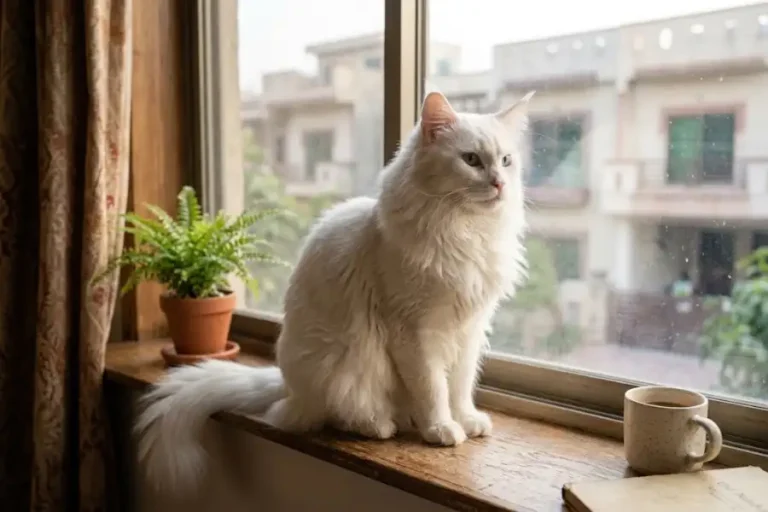
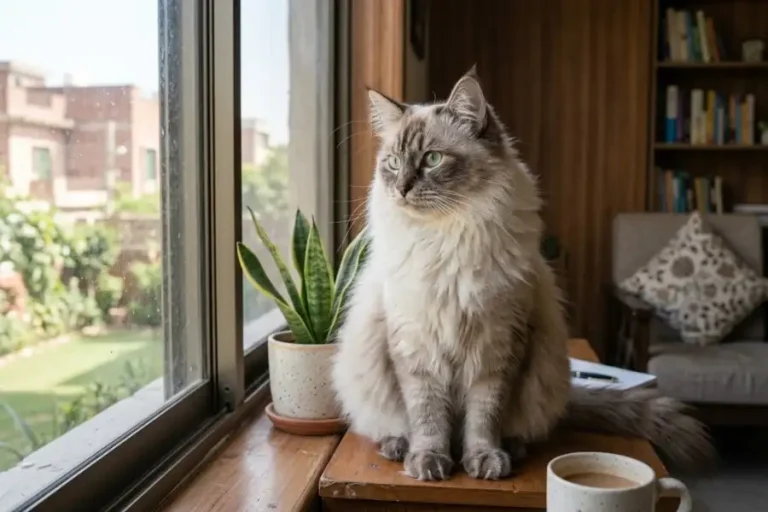
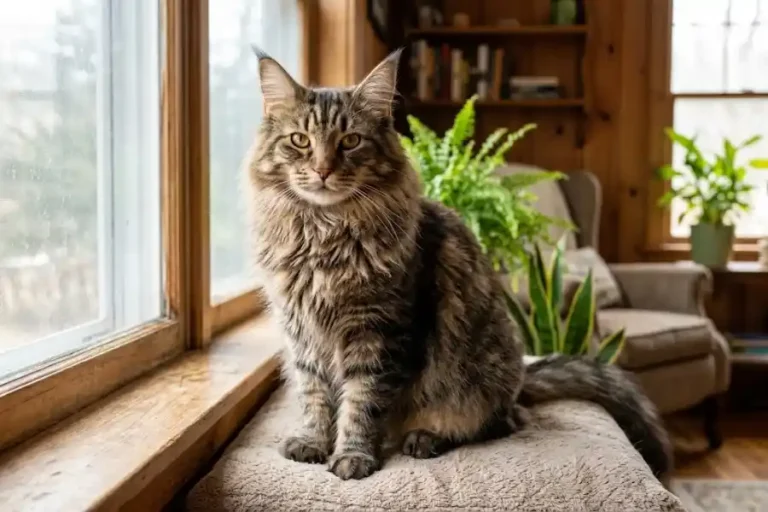
If you searched for a grey Maine Coon cat, you’re in for a surprise: cat clubs don’t use the word “grey” at all. They call this color “blue.” Confusing? This article clears up the naming mix-up, shows the different grey shades, and covers what daily life with a grey Maine Coon cat looks like.
Why Grey Maine Coon Cats Are Called “Blue” Instead
Cat breed registries, such as the Cat Fanciers Association, list official colors for the Maine Coon breed. “Grey” is not one of them. The closest match is “blue,” a soft, cool-toned grey that comes from a diluted black coat.
So why “blue” and not “grey”? Nobody has a clear answer. Some breeders think “blue” sounds sharper on a show entry card. Others say the term comes from older British cat fancy language, where blue has long stood for this diluted shade. Either way, if you own a grey Maine Coon cat, your vet paperwork and pedigree will likely list the color as blue.
What Makes a Maine Coon’s Coat Turn Grey
A grey Maine Coon cat gets its color from the dilute gene. Normal black fur has pigment packed tightly and evenly. The dilute gene spreads that pigment into small clumps, with tiny gaps between them. Light bounces off those gaps differently, so black reads as grey to our eyes.
For a kitten to be born grey, both parents need to carry a copy of the dilute gene. This is a recessive trait, so it can skip generations. Two black Maine Coons can still produce a grey kitten if both parents happen to carry the hidden gene. This is one reason grey Maine Coon cats are less common than black, brown tabby, or white ones.
Shades and Patterns You’ll See in Grey Maine Coon Cats
Grey is not one flat color. Breeders and owners describe several looks under the grey Maine Coon cat umbrella:
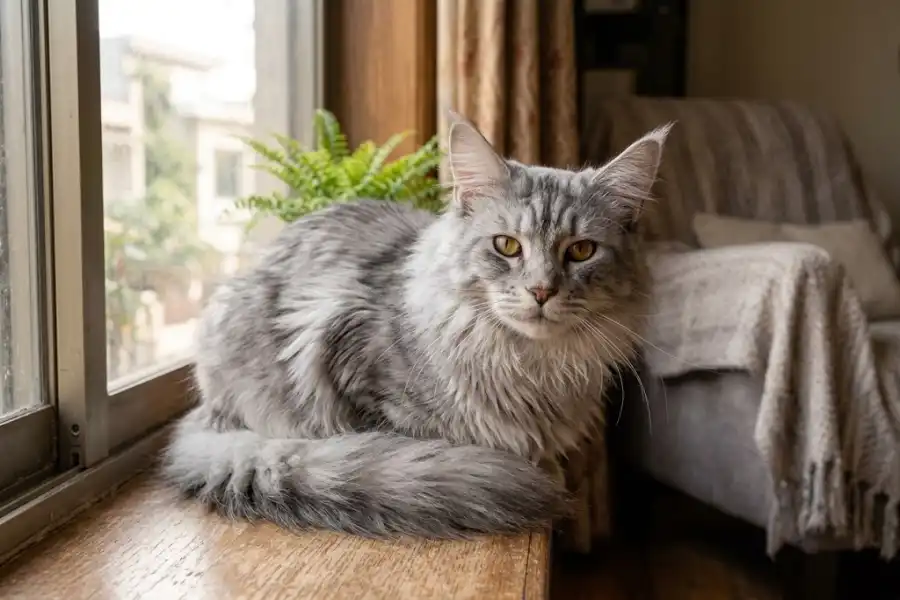
- Solid grey (blue): An even, silvery-blue coat from nose to tail tip, with no stripes or patches.
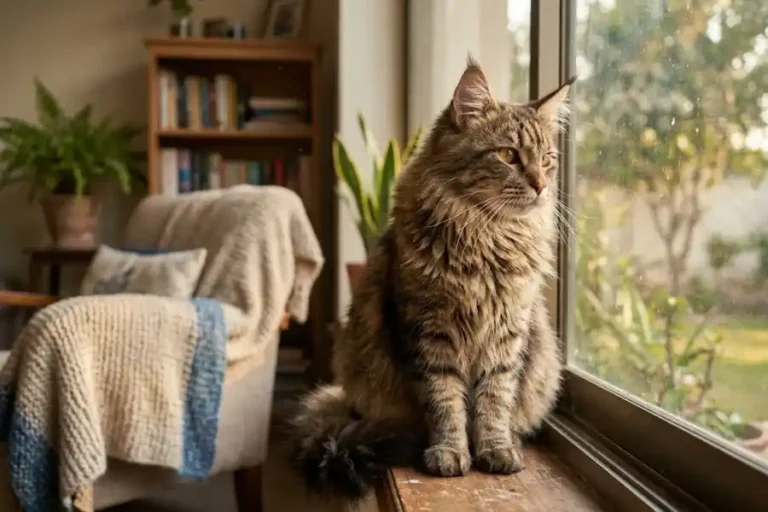
- Grey tabby (blue tabby): Swirl, mackerel, or spotted stripe patterns in darker grey over a lighter grey base. This is the most common grey pattern.
- Grey smoke: A coat that looks solid grey at first glance, but the roots near the skin are pale white. Flashes of that lighter undercoat show when the cat moves.
- Blue and white (bicolor): Grey patches mixed with white fur, often on the chest, paws, and belly.
- Silver grey: A lighter, almost frosted grey tone, sometimes paired with tabby markings.
Kittens can shift shade slightly as they grow. A kitten that looks pale silver at eight weeks may deepen into a richer slate grey by adulthood, around three to five years old.
Personality and Temperament
Coat color does not change how a cat behaves. A grey Maine Coon cat has the same temperament traits the breed is known for: calm, friendly, and easygoing around people and other pets. Maine Coons are known for following their owners from room to room, chirping and trilling instead of meowing, and staying playful well into their senior years.
Many owners describe the breed as dog-like because they enjoy games of fetch, respond to their names, and greet family members at the door. A grey Maine Coon cat will likely bond closely with one or two people in the household while staying polite and tolerant with everyone else, including children and other cats.
Size and Growth
Maine Coons are one of the largest domestic cat breeds, and grey individuals are no exception. Adult males typically weigh between 13 and 18 pounds, while females usually land between 8 and 12 pounds. Some Maine Coons reach even greater sizes; the breed holds several records for the longest domestic cat.
Growth is slow compared to other breeds. Most Maine Coons, grey or otherwise, do not reach full size until they are three to five years old. If your grey Maine Coon cat still looks lanky and kitten-like at age two, that is normal for this breed.
Caring for a Grey Coat
Grey Maine Coon cats have the same triple-layered, water-resistant coat as the rest of the breed. This coat sheds heavily, especially during spring and fall. To keep it healthy and free of mats:
- Brush two to three times a week with a slicker brush or wide-tooth comb.
- Pay close attention to the “britches” (fluffy fur on the back legs) and the area behind the ears, where mats form fastest.
- Bathe every four to six weeks, or sooner if the coat feels greasy or looks dull.
- Trim nails every two to three weeks to protect furniture and skin.
A dull, faded grey coat can sometimes point to poor diet or a health issue, so a shiny, soft coat is a good sign your cat is doing well.
Health Points Worth Watching
Grey Maine Coon cats are not more likely to get sick because of their color, but the breed as a whole carries a few known risks every owner should know:
- Hypertrophic cardiomyopathy (HCM): A heart condition more common in Maine Coons than in many other breeds. Regular vet checkups, including heart screenings, help catch it early.
- Hip dysplasia: A joint condition linked to the breed’s large size and rapid bone growth in young cats.
- Spinal muscular atrophy (SMA): A genetic condition specific to Maine Coons. Reputable breeders test for this before breeding.
None of these conditions are tied to the dilute (grey) gene itself. They come from the Maine Coon breed in general, so any grey Maine Coon cat should see a vet at least once a year, or twice a year after age seven.
Finding and Pricing a Grey Maine Coon Kitten
Because the dilute gene is recessive, grey Maine Coon kittens turn up less often than black, brown tabby, or red litters. When breeders do have grey kittens available, prices usually run from $1,200 to $2,500, depending on pedigree, location, and whether the kitten is sold as a pet or for breeding and showing.
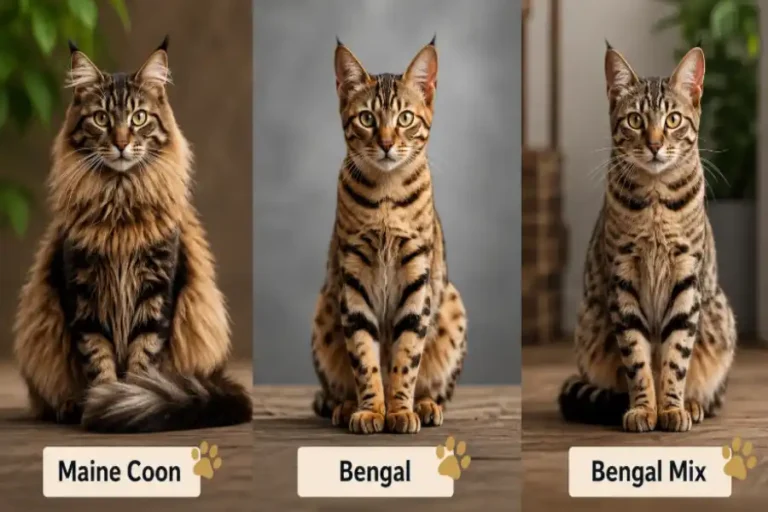
Look for a breeder who health-tests for HCM and SMA, lets you meet the kitten’s parents, and provides a written health guarantee. Rescue groups and breed-specific shelters are also worth checking, since grey Maine Coons and Maine Coon mixes do show up in adoption listings from time to time, usually at a much lower cost.
Frequently Asked Questions
Is a grey Maine Coon cat rare?
Yes. Compared to black, brown tabby, and white Maine Coons, grey (blue) individuals are less common because the dilute gene is recessive and needs to come from both parents.
Do grey Maine Coon cats have any special health needs?
No. Their health risks match the wider breed, mainly heart and joint conditions, and are not linked to coat color.
What is the difference between a grey and a blue Maine Coon?
There is no difference. “Grey” is the everyday name people use, while “blue” is the official term used by breed registries and cat shows.
Will my grey Maine Coon kitten’s color change as it grows?
The shade can deepen or lighten slightly, but a kitten born grey will stay grey for life. The pattern, such as tabby stripes or smoke, becomes clearer with age.
How can I tell if a kitten will grow into a large grey Maine Coon cat?
Paw size is a rough clue. Kittens with noticeably large paws and long legs compared to their littermates often grow into bigger adults, though genetics and diet play a role too.