Tassel Ears Maine Coon Cattery: How to Choose One You Can Trust
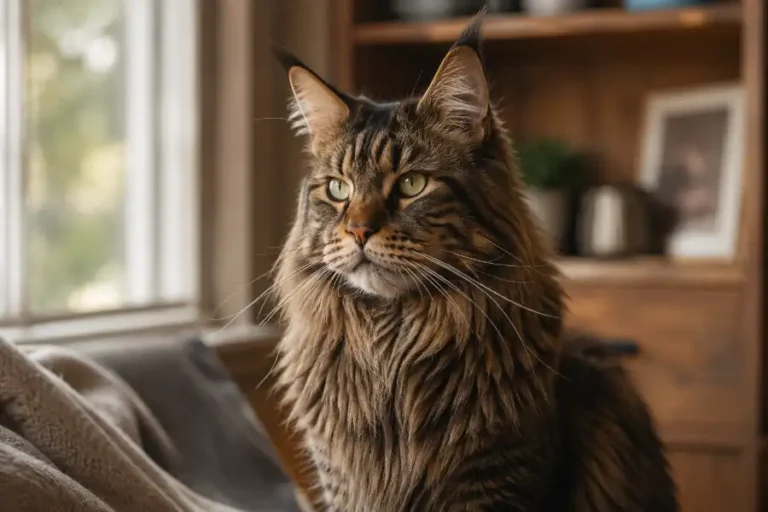
If you have ever seen a Maine Coon with long, wispy fur rising off the tips of its ears, you already know why people search for a tassel ears Maine Coon cattery. Those tufts give the cat a wild, almost lynx-like look. But finding a cattery that raises healthy, well-socialized kittens with this trait takes more than a quick search online. This article walks you through what tassel ears are, why some catteries focus on them, and how to pick a breeder who puts the cat’s health first.
What Are Tassel Ears on a Maine Coon?
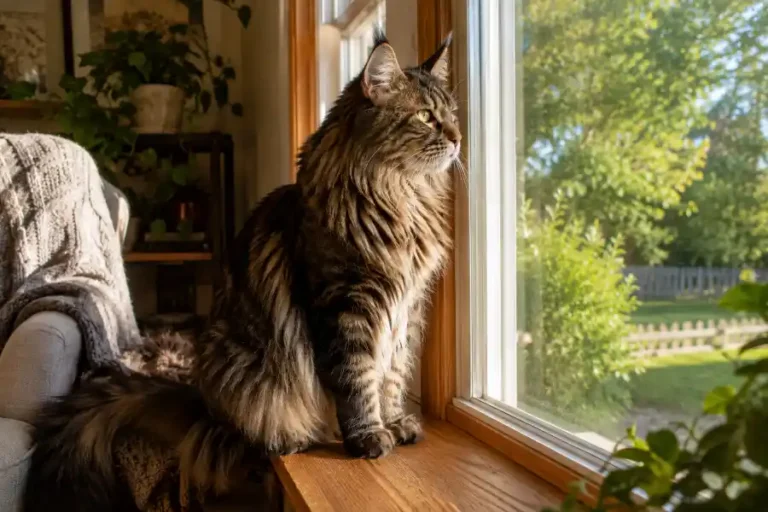
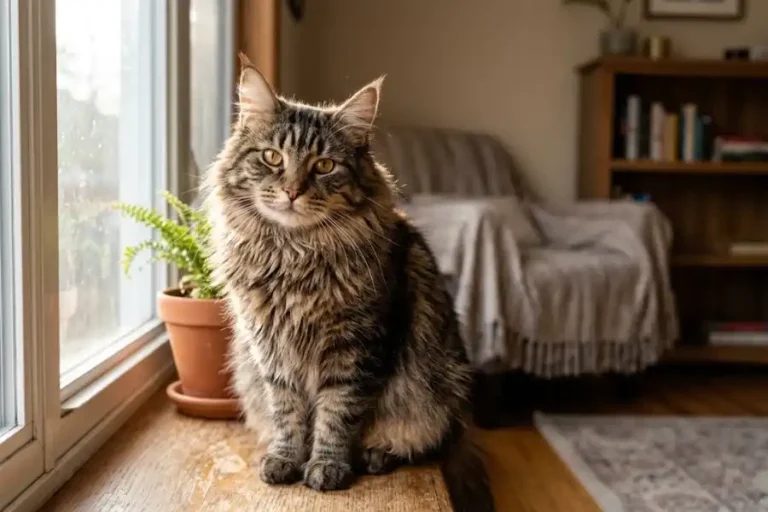
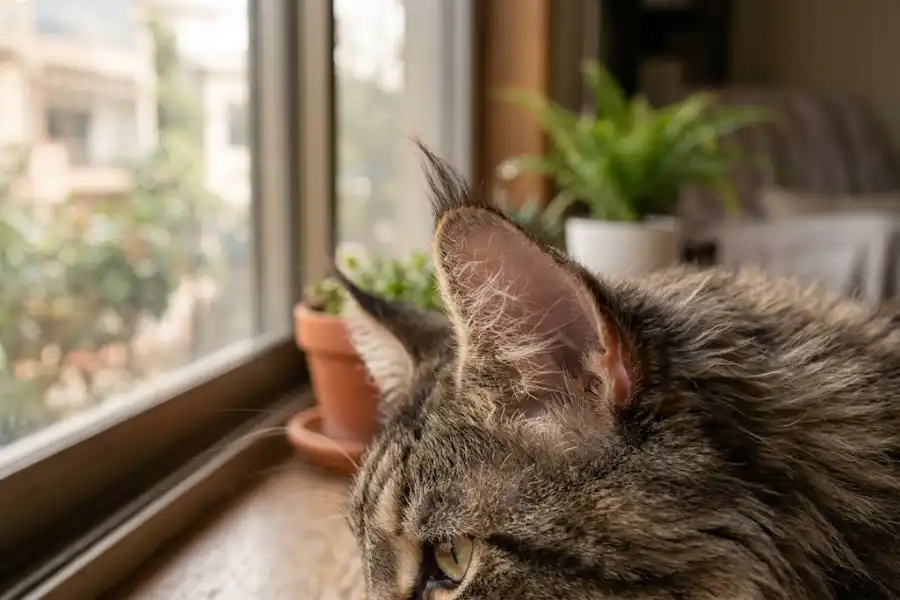
Tassel ears, also called lynx tips, are the long hairs that grow from the tip of a Maine Coon’s ear. They stick up and out, framing the ear and giving the cat a sharp, alert expression. These tufts are separate from the fur inside the ear, which is sometimes called ear furnishings.
Not every Maine Coon grows long tassels. Genetics decide how thick and long the tufts become, and a kitten’s tassels usually do not reach their full length until the cat is close to a year old. This trait is one of the small details that make the Maine Coon cat breed so easy to pick out of a crowd, even from a distance.
The tufts likely help in a few small ways. They may keep dirt and cold air out of the ear canal, and some breeders believe they help the cat pick up faint sounds. Either way, most people simply love how they look.
Why a Tassel Ears Maine Coon Cattery Stands Out
Not every breeder pays close attention to ear tufts, since the breed standard values many traits together, such as body size, coat, and temperament. A cattery that highlights tassel ears usually pays close attention to the finer points of the breed standard as a whole, not just one feature.
If you compare a Maine Coon vs a regular house cat, the ears are one of the first differences most people notice. A cattery that breeds toward strong lynx tips is often also working toward the large frame, tall ears, and shaggy coat that define the breed. That kind of attention to detail is usually a good sign, though it should never replace checking on health testing and how the kittens are raised.
How to Spot a Reputable Tassel Ears Maine Coon Cattery
A pair of nice ears should never be the only reason you choose a breeder. Here is what to check before you commit to a kitten.
- Registration. Look for a cattery registered with TICA or CFA. Ask for the registration number and check it yourself on the association’s website.
- Health testing. Responsible breeders test their cats for conditions common in the breed, such as hypertrophic cardiomyopathy (HCM) and hip dysplasia. Ask to see the paperwork.
- Home-raised kittens. Kittens raised inside a home, around people, noise, and daily life, tend to grow into calmer, friendlier adults than kittens raised alone in a cage.
- Open communication. A good breeder answers questions directly and does not get defensive when you ask about health records or the parents.
- References. Past buyers should be willing to talk about their experience. A cattery with years of happy families behind it is a strong sign of quality.
- A chance to see the cats. Whether in person or on a video call, you should be able to see the parents and the space where the kittens live.
Remember, the average Maine Coon lifespan is well over a decade, so the cattery you choose today will shape your cat’s health and temperament for many years to come.
Questions to Ask Before You Pick a Kitten
Bring this list with you when you talk to a breeder:
- Are you registered with TICA or CFA, and can I verify your registration number?
- What health tests have the parents had, and can I see the results?
- Can I meet the mother, or see her on a video call?
- How are the kittens raised inside your home?
- How many litters do you produce each year?
- What is included in your health guarantee or contract?
- What support do you offer after I bring the kitten home?
- Do you have references from past buyers I can contact?
A breeder who welcomes these questions and answers them clearly is usually one worth trusting.
Warning Signs You Should Not Ignore
Step back if you notice any of these signs while talking to a cattery:
- The breeder refuses to share health testing records or gets short with you for asking.
- Kittens are kept in cages rather than living inside the home.
- The breeder has litters ready year-round or sells a very high number of kittens each year.
- You cannot find any reviews, references, or a history of the cattery online.
- Photos of the kittens look copied from another website. A quick reverse image search can help confirm this.
- The breeder pressures you to pay a deposit before you have had time to ask questions.
Trust your gut. If something feels rushed or unclear, take your time and keep looking.
Caring for Your Maine Coon’s Ear Tassels at Home
Once your kitten is home, the tassels need very little upkeep, but the ears themselves still need attention. Check your cat’s ears once a week for wax buildup, redness, or a bad smell, which can point to an infection. Wipe the outer ear gently with a damp cloth if needed, and avoid pulling or trimming the tassels themselves, since that hair is meant to grow long and full.
Regular brushing helps keep the fur around the ears free of tangles and mats. This fits into the same routine you would use for the rest of your cat’s thick double coat.
Bringing Your New Kitten Home
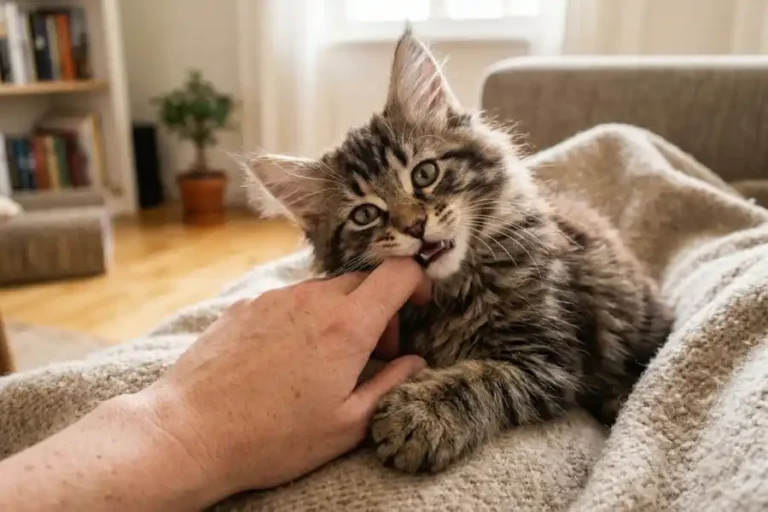
Once you have chosen a cattery and picked out your kitten, the next step is getting your home ready. Before pickup day, take time to kitten-proof your home so your new arrival stays safe from the very first day. Maine Coon kittens are curious and love to climb, so loose wires, small objects, and open cabinets are worth checking ahead of time.
Frequently Asked Questions
Do all Maine Coons have tassel ears?
No. Not every Maine Coon grows long ear tufts. Genetics play the biggest role, and some cats have short, barely noticeable tufts while others grow long, dramatic ones.
Are tassel ears a sign of health problems?
No. Tassel ears are a normal, harmless trait tied to coat genetics. They are not linked to any health condition on their own.
How old is a kitten before its tassels are fully grown?
Most kittens show small tufts early on, but the tassels usually keep growing until the cat is close to one year old.
How much does a kitten from a tassel ears Maine Coon cattery usually cost?
Prices vary by region and by the cattery’s reputation, but well-bred, health-tested Maine Coon kittens commonly range from around $1,000 to $2,500 or more. Always weigh price against health testing, registration, and how the kittens are raised, rather than picking a breeder based on cost alone.
Can I trust a cattery I only find online?
You can, but verify everything first. Check registration numbers, ask for a video call, request references, and confirm that kitten photos are original before sending any deposit.
Final Thoughts
A tassel ears Maine Coon cattery can be a wonderful place to find your next family member, as long as you look past the pretty ears and check the basics: health testing, registration, honest communication, and how the kittens are raised. Take your time, ask direct questions, and trust the breeder who is happy to answer them.