Maine Coon Cat Paws: Why They’re So Big and How to Care for Them
Maine Coon cat paws are big, round, and covered with soft fur tufts. They often surprise new owners who did not expect such a large cat to have paws that match. If you have a Maine Coon at home, you might wonder why their paws look and feel different from other cats. This article explains why Maine Coon cat paws grow so large, what the fur tufts are for, and how to keep your cat’s paws healthy. It also covers extra toes, common paw problems, and simple grooming tips every owner can use.
Why Are Maine Coon Cat Paws So Big?
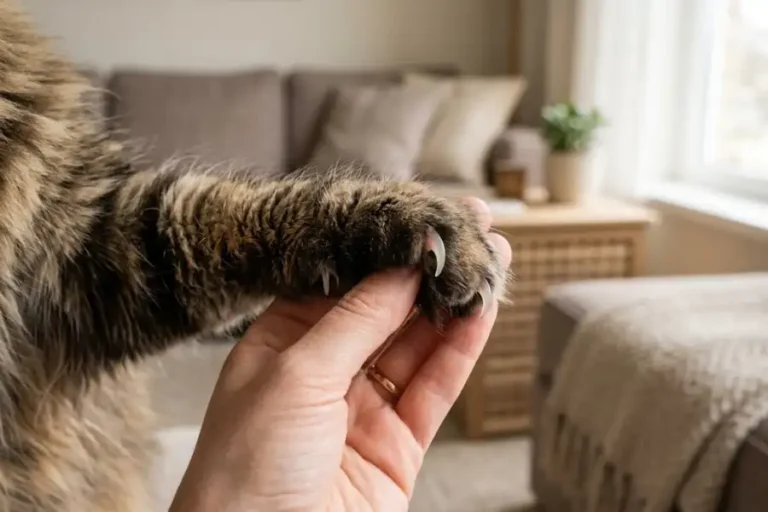
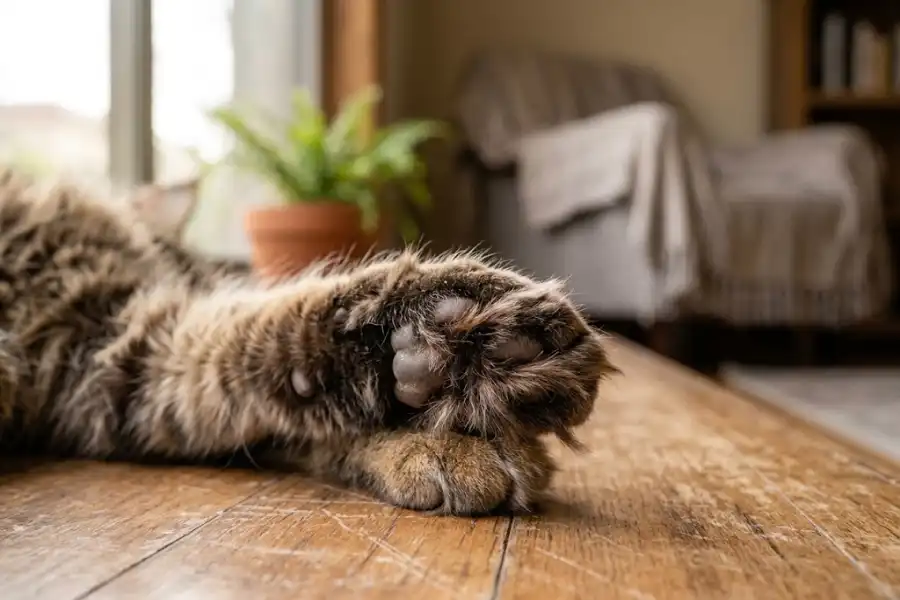
Maine Coon cats are one of the largest domestic cat breeds. Their bodies are long, their bones are thick, and their paws grow to match their frame. Big paws help spread out a cat’s weight. This made it easier for early Maine Coons to walk on snow in cold winters. Their large, round paws worked almost like snowshoes. Even today, Maine Coon cat paws keep this wide, sturdy shape, even in cats that live indoors in warm homes.
Male Maine Coons usually have larger paws than females. A fully grown male can have paws that look almost double the size of a small house cat’s paws. This size difference is normal and is simply part of the breed’s build.
The Soft Fur Tufts Between Maine Coon Paws
One of the most charming features of Maine Coon cat paws is the tuft of fur that grows between the toes. These tufts are sometimes called “toe fur” or “snowshoe fur.” They served a real purpose for the breed’s ancestors, who lived and worked outdoors in Maine’s harsh winters.
The fur tufts:
- Add extra grip on slippery or icy ground
- Keep the paw pads warm during cold weather
- Protect the sensitive skin between the toes from snow and ice
Indoor Maine Coons do not need this protection as much, but the trait remains part of their genetics. Many owners like to trim the tufts slightly to stop them from collecting dirt or litter, though this is a personal choice, not a health need.
Polydactyl Maine Coons: Extra Toes on Their Paws
Some Maine Coon cat paws have extra toes. This trait is called polydactylism. A normal cat paw has five toes on the front feet and four on the back. A polydactyl Maine Coon can have six or seven toes on one or more paws.
This trait comes from a natural gene change and does not harm the cat. In fact, many sailors in the past preferred polydactyl cats because their wide paws made it easier to keep balance on moving ships. Today, polydactyl Maine Coons are simply seen as a fun and unique version of the breed. Owners of polydactyl cats should check the extra toes regularly, since nails on these toes can grow at odd angles and need more frequent trimming.
How to Care for Your Maine Coon’s Paws
Healthy Maine Coon cat paws need regular attention. Since Maine Coons have larger paws with more fur, small problems can go unnoticed if you are not checking often. Here are simple steps to keep your cat’s paws in good shape:
- Check the paw pads weekly for cuts, cracks, or swelling.
- Trim the fur between the toes if it gets too long and starts collecting litter or dirt.
- Keep nails trimmed on a regular schedule, as covered in our article on Maine Coon claws and nails.
- Wipe paws gently after your cat goes outside to remove dirt, salt, or small stones.
- Watch for limping or favoring one paw, which can signal pain or injury.
A quick paw check can become part of your normal petting routine. Most Maine Coons enjoy having their paws handled once they get used to it from a young age.
Common Paw Problems in Maine Coon Cats
Because Maine Coon cat paws are large and carry a heavier body, a few paw problems show up more often in this breed:
- Overgrown nails: Extra toes or thick nail growth can lead to nails curling into the pad if not trimmed.
- Cracked pads: Dry indoor air or rough outdoor surfaces can crack the skin on the paw pads.
- Matted fur tufts: Long toe fur can mat and trap dirt, which sometimes leads to mild irritation.
- Joint strain: Older Maine Coons carry more weight on their paws and legs, which can add stress to their joints over time.
If you notice swelling, a strong smell, bleeding, or your cat licking one paw more than normal, it is best to have a vet take a look. Most paw issues are minor, but catching them early keeps your cat comfortable.
Maine Coon Paw Size Compared to Other Cats
When people compare a Maine Coon’s paws to a regular house cat’s paws, the difference is easy to see. Maine Coon cat paws are wider, rounder, and often covered with more fur. You can read a full size comparison in our article on Maine Coon vs normal cat, which compares body size, paw size, and overall build between the two.
This paw size is one reason Maine Coons need slightly larger litter boxes and scratching posts than smaller breeds. A cramped litter box or thin scratching post may not feel comfortable for such large paws.
Grooming Tips for Healthy Paws and Coat
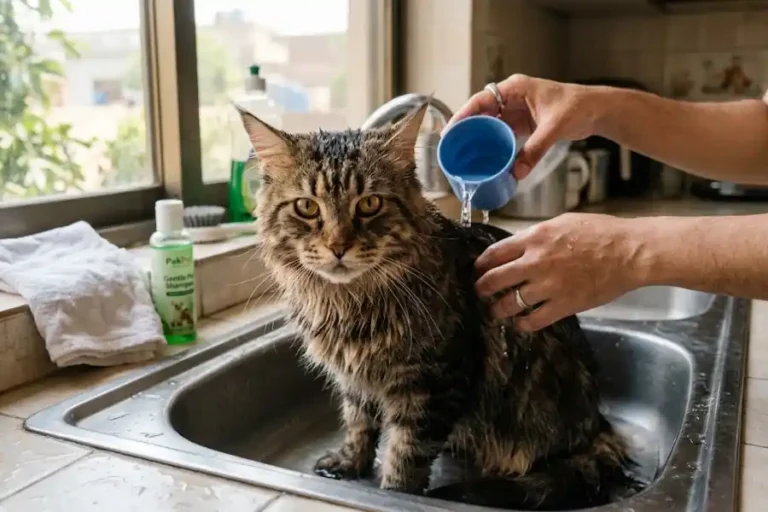
Paw care works best as part of a full grooming routine. Since Maine Coon fur can trap dirt around the paws, regular brushing and occasional baths help keep the fur tufts clean. Our article on the Maine Coon bathing routine walks through safe bathing steps for this breed, including how to dry the paws fully afterward to avoid soggy fur.
A soft brush around the paw area, done gently once a week, removes loose fur and stops mats before they form. Always reward your cat with a treat after a paw check or grooming session so they connect it with something positive.
Frequently Asked Questions
Do all Maine Coon cats have big paws?
Yes, most Maine Coons have paws that are larger than average house cats. The size can vary between individual cats, with males usually showing the biggest paws.
Are extra toes bad for a Maine Coon’s health?
No. Polydactyl toes are a harmless genetic trait. The main care difference is trimming nails on the extra toes regularly.
Why is there fur between my Maine Coon’s toes?
This fur tuft helped the breed’s ancestors walk on snow and ice. It still grows today, even in cats that live only indoors.
How often should I trim my Maine Coon’s paw fur?
Every four to six weeks works well for most cats, though this depends on how fast the fur grows and how much it collects litter.
When should I take my Maine Coon to the vet for a paw problem?
Visit a vet if you see swelling, bleeding, a bad smell, or if your cat is limping or licking one paw far more than usual.
Final Thoughts
Maine Coon cat paws are large, strong, and full of personality, much like the rest of the breed. From the soft fur tufts to the occasional extra toe, these paws carry traits passed down from cats that once worked outdoors in tough winters. Regular checks, gentle grooming, and quick vet visits when needed will keep your cat’s paws healthy for years. For more tips on raising a happy, healthy Maine Coon, check out our complete Maine Coon cat article.