Maine Coon Claws and Nails: How to Care for Big Paws Safely
If you share your home with a Maine Coon, you already know their paws are hard to miss. These cats have some of the largest paws in the cat world, and their claws and nails match that size. Taking care of Maine Coon claws and nails is not hard once you know what to look for. It just takes a bit more attention than a smaller breed needs.
This article covers everything about Maine Coon claws and nails. You will find out how they grow, how often to trim them, what tools work best, and how to spot trouble before it turns into a real problem. If you are just getting to know the breed, our overview of the Maine Coon cat covers grooming basics beyond just claws too.
Why Maine Coon Claws and Nails Need Extra Attention
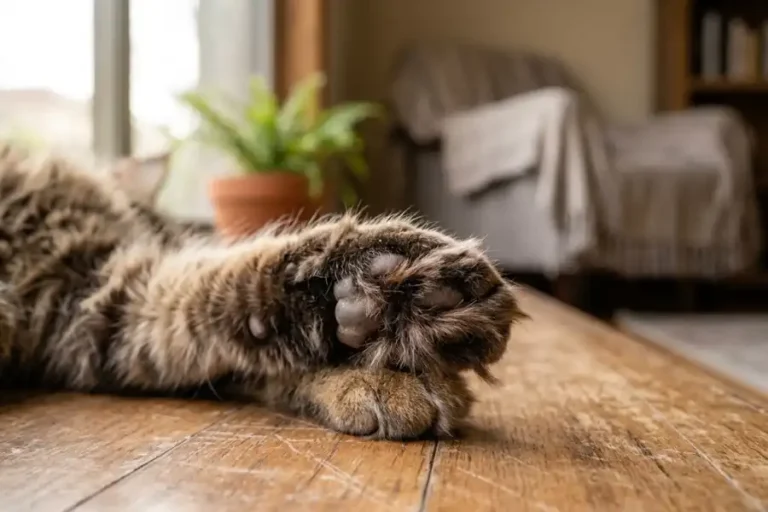
Maine Coons are big cats with big feet. Many owners notice that their claws seem thicker and longer than those of a smaller house cat. You are not imagining it. A bigger paw often means a bigger claw bed, so the nails can grow faster and get sharper edges sooner.
Some Maine Coons are also polydactyl. This means they were born with extra toes, and extra claws, on one or more paws. If you own a polydactyl Maine Coon, you have more nails to check during each session. Those extra claws can also sit at odd angles that are easy to miss.
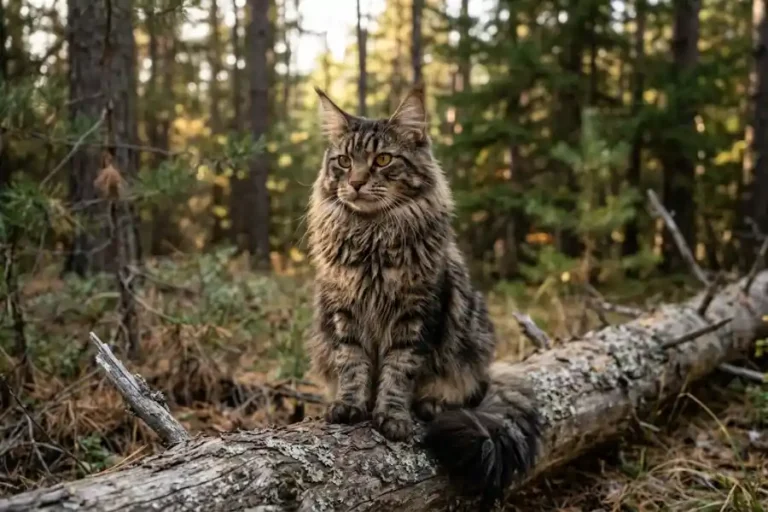
Because of their size and their history as working farm cats, Maine Coons also tend to have strong, active paws. They love to knead, climb, and dig their claws into soft surfaces. All of that activity is good for them, but it also means their claws and nails need regular checks. This fits right alongside other grooming tasks, like managing Maine Coon shedding during the warmer months.
Getting to Know Your Cat’s Claw Anatomy
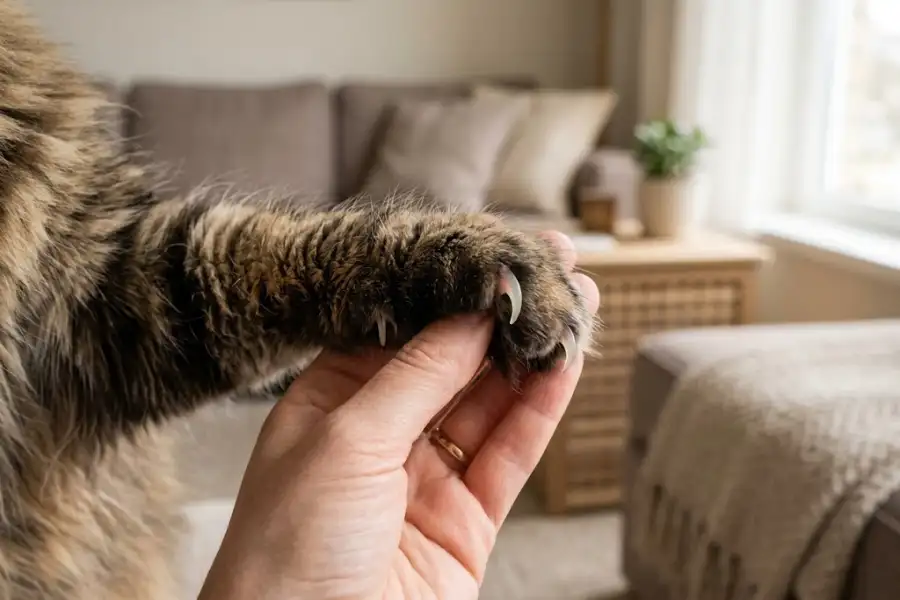
Before you trim anything, it helps to know what you are working with. A cat’s claw is not solid all the way through. Inside each nail sits a part called the quick. This is the pink area that holds blood vessels and nerve endings. Cut into the quick, and your cat will feel pain, and the nail will bleed.
The white or clear part of the nail past the quick is safe to trim. On Maine Coons with dark or black claws, the quick is much harder to see. Because of this, you should trim in small bits and watch closely rather than cutting off a big piece at once.
Maine Coon claws are also retractable. This means they pull back into a small pocket of skin when the cat is calm. This is why claws can look shorter than they really are until your cat stretches or grabs onto something.
How Often Should You Trim Maine Coon Nails
There is no single answer that fits every cat, but most Maine Coons do well with a trim every two to three weeks. A few things can change this schedule:
- Indoor cats usually need more frequent trims, since they do not wear their nails down on rough outdoor ground. If your cat spends most of the day inside, take a look at our notes on indoor cats and how that lifestyle affects grooming needs.
- Senior Maine Coons often need trims closer to every ten days, since older cats move around less and their claws do not wear down on their own.
- Polydactyl cats need every claw checked, including the small extra ones that hide near the base of the paw.
- Cats with a sturdy scratching post may need slightly fewer trims, since scratching wears away the dead outer layer of the nail.
A simple weekly check, even just thirty seconds of holding a paw and looking, will tell you when it is time.
How to Trim Maine Coon Claws Step by Step
Trimming a large, strong cat’s claws can feel a bit scary the first few times, but a calm approach makes it much easier.
- Pick a quiet moment. Right after a nap, or after playtime when your cat is tired, works well.
- Hold the paw gently and press the pad so the claw comes out fully.
- Look for the pink quick and find the clear space beyond it.
- Use sharp, cat-specific clippers rather than human nail clippers, which can crush or split the nail.
- Trim only the sharp tip, a small bit at a time.
- Give your cat a treat or some gentle praise after each paw, or even after each nail if your cat is nervous.
- Stop and try again later if your cat gets upset. There is no rule that says all eighteen, or more, nails need to be done in one sitting.
If your Maine Coon truly will not sit still for trims at home, a veterinarian or a professional groomer can handle it safely. Many are happy to show you the steps in person too.
Common Claw and Nail Problems in Maine Coons
Even with good care, a few issues show up more often in this breed because of their size and paw shape.
- Overgrown or curled nails happen when trims get skipped for too long. The claw can curl and grow into the paw pad, which hurts and can lead to infection. This shows up more in senior cats and less active indoor cats.
- Brittle or cracked claws can point to diet, low water intake, or a general health issue. A cracked claw that bleeds or looks uneven should be checked by a vet.
- Ingrown dewclaws are common too. The dewclaw sits higher on the leg and never touches the ground, so it never wears down on its own. This nail is one of the most often forgotten during trims.
- Extra claws on polydactyl paws often grow at odd angles and can hide under fur, so they are easy to miss during a quick glance.
If you ever notice limping, swelling, redness, or a lot of licking at one paw, treat it as a sign to book a vet visit. It is better not to wait it out.
Caring for Claws on a Polydactyl Maine Coon
Maine Coons carry the polydactyl gene more often than most breeds, sometimes ending up with as many as seven toes on one paw. Extra toes usually mean extra claws, and those bonus nails can sit at sharper angles than the standard ones.
The care routine is not complicated. It just takes a little more time. Check between every toe, and count the claws on each paw so you know what is normal for your own cat. Then trim the extra nails just as carefully as the others. A polydactyl paw does not need any special tools, just a closer look during each session.
Scratching Posts and Natural Nail Care
Trimming is not the only part of claw care. Scratching is a normal, healthy habit that keeps the outer layer of the nail in good shape and lets your cat mark territory and stretch its muscles.
A sturdy, tall scratching post matters more for Maine Coons than for smaller cats, simply because of their size and weight. A flimsy post will tip over, and a cat that has a bad experience with one may avoid scratching posts and turn to furniture instead. If you are setting up a home for a new kitten, our notes on kitten proofing your home cover how to introduce scratching posts early, before bad habits form.
Try offering more than one type of scratcher, such as a tall post, a flat cardboard pad, and a sisal wrapped option. Choices like these keep their claws in better shape between trims.
When to See a Vet
Most claw and nail care can happen at home, but a few signs call for a vet visit:
- Bleeding that does not stop within a few minutes of light pressure.
- A nail that is clearly cracked, split, or hanging loose.
- Swelling, heat, or a bad smell near the nail bed.
- A cat that suddenly refuses to walk right or favors one paw.
Keeping a small tin of styptic powder at home is a smart habit. If you clip into the quick by accident, pressing a bit of the powder against the nail will stop the bleeding fast.
Frequently Asked Questions
How many claws does a Maine Coon have?
A standard Maine Coon has eighteen claws, five on each front paw and four on each back paw. Polydactyl Maine Coons can have several more, depending on how many extra toes they carry.
Do Maine Coons need their claws trimmed if they scratch a lot?
Yes. Scratching wears down the outer layer of the nail, but it does not replace regular trims. This matters most for the back claws and the dewclaws, since they get less wear from scratching.
Is declawing a safe choice for Maine Coons?
Declawing removes part of the toe bone, along with the nail. Most vet groups no longer recommend it because of the pain and long term issues it can cause. Regular trims and a good scratching post are a kinder choice.
Why does my Maine Coon’s claw look black?
Darker claws are just a difference in color and are completely normal. They just make the pink quick harder to see, so trim small bits at a time.
Can I use regular nail clippers on my Maine Coon?
It is best to skip human clippers, since they tend to crush or split a cat’s nail rather than cut it cleanly. Cat specific clippers or a small guillotine style trimmer work much better.
Final Thoughts
Maine Coon claws and nails do not need a complicated routine, just a bit of steady care. A quick paw check every week, a trim every couple of weeks, and a sturdy scratching post will keep your cat’s paws healthy and your furniture safe. Get to know what is normal for your own cat’s claws, and you will spot problems early, long before they turn into something serious.