Maine Coon Leash Training: How to Walk Your Cat Outside Safely and Happily
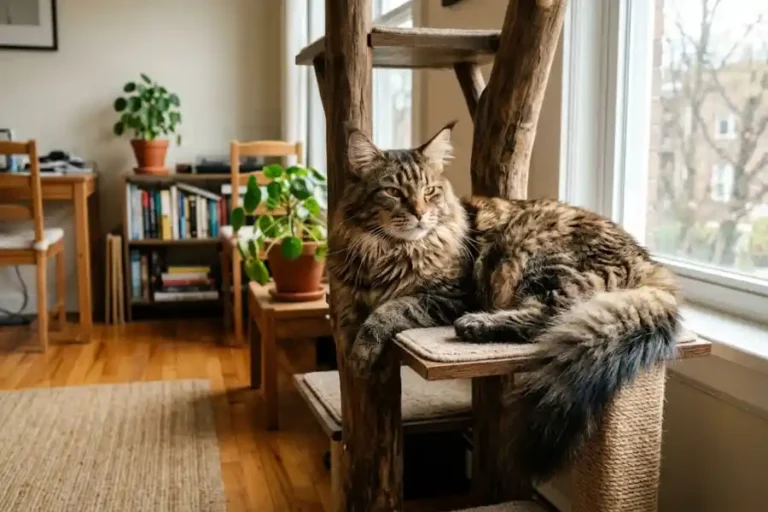
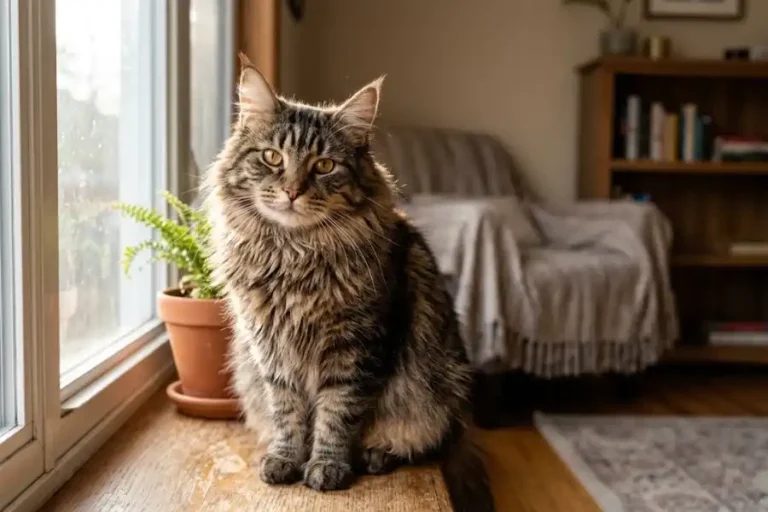
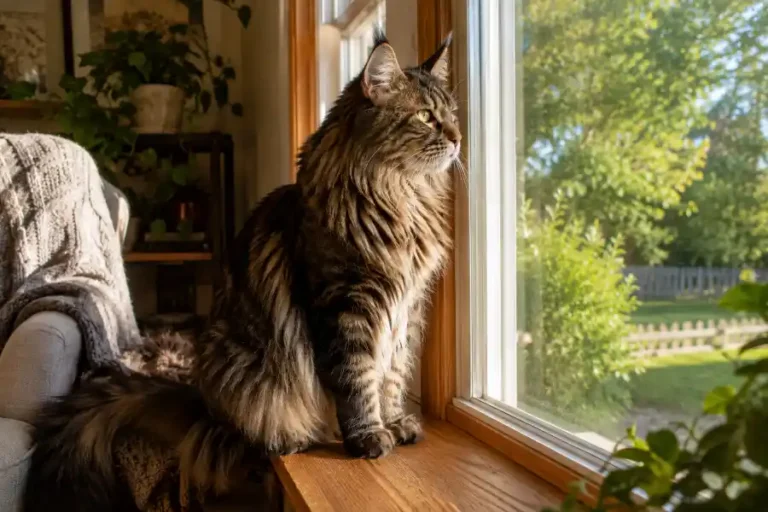
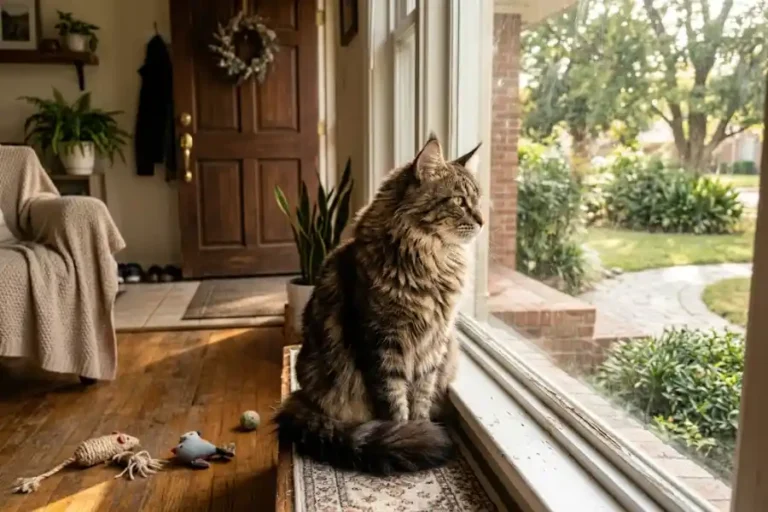
Your Maine Coon watches every bird outside the window like it owes her money. She paces by the door. She meows at the leaves. Good news: Maine Coon leash training works for most cats. It takes the right gear and a bit of patience, that is all. This article covers the gear you need, the training steps, and how to read your cat’s body language. By the end, your first walk together should feel calm for both of you.
Can Maine Coons Really Learn to Walk on a Leash?
Yes, in most cases. Maine Coons are big, social cats. They often act more like dogs than typical house cats. They tend to be curious. They like food rewards. They enjoy being close to people. These traits make Maine Coon leash training easier than it is for many other breeds. Want to know more about these traits? Our overview of the Maine Coon breed covers them in detail. Still, every cat has her own personality. Some Maine Coons take to a harness within days. Others need a few weeks of short, calm sessions. Both paces are normal.
What You Need Before You Start
Good gear makes the difference between a cat who tolerates walks and one who enjoys them.
Choosing the Right Harness
Skip the collar. A collar puts pressure on your cat’s neck. It can also slip off a Maine Coon’s wide head in seconds. Instead, pick a vest style or H style harness made for cats. These wrap around the chest and shoulders. They spread pressure evenly. They also make it much harder for your cat to back out of it.
Fit the harness with the two finger rule. Slide two fingers under each strap. If they fit with a little room, the harness is snug but not tight. Too tight and it will rub. Too loose and your cat may slip free.
Picking a Leash
Choose a light leash between four and six feet long. Skip retractable leashes. The sudden pull and clicking sound can scare a cat who is still new to the outdoors. A simple nylon or cotton leash works best. Clip it securely to the harness, never to a collar.
Image placement: Alt text: “Close-up of a Maine Coon cat’s harness being fitted using the two finger test”
Gear Checklist Before Your First Walk
- Harness that fits with the two finger test
- Light leash, four to six feet long
- ID tag with your phone number, plus a microchip on file
- Small treats your cat loves
- A carrier for the trip outside
- Fresh water if the walk will run long
The Best Age to Start Leash Training
Kittens between eight and twelve weeks old tend to adjust the fastest. They have not yet formed strong opinions about new things touching their fur. Keep kitten sessions playful and short. Five minutes at a time is plenty.
Adult Maine Coons can still learn this skill. It just takes more patience. An older cat has years of habits already set. Expect the process to take a few weeks instead of a few days. A slower pace does not mean it will not work.
Step-by-Step Training Plan
Good leash training works best in small steps. Do not rush toward a full walk around the block.
- Let your cat meet the harness first. Set it on the floor near her food bowl for a day or two. Let her sniff and check it out with no pressure at all.
- Put the harness on for short indoor sessions. Clip it loosely. Offer a treat right away. Let her wear it for a few minutes while she eats or plays.
- Attach the leash and let it drag. With the harness on, clip the leash but do not hold it. Let your cat walk around the house dragging it. This helps her get used to the feel and sound.
- Pick up the leash and follow her lead. Hold the leash loosely. Let your cat lead you around a room. This teaches her that the leash does not mean being pulled or trapped.
- Add gentle direction. Once she walks calmly with you holding the leash, add small turns and short pauses. Pair each one with praise.
- Move outside to a quiet spot. Pick a calm yard or porch, away from traffic and other animals. Keep the first outdoor session short.
Reading Your Cat’s Body Language
A relaxed Maine Coon on a leash holds her tail upright. Her ears point forward. Her steps are steady and smooth. If she flops onto her side and freezes the first time the harness goes on, that is normal too. Most cats do this out of surprise, not pain. Give her a moment. She will usually stand back up on her own.
Watch for real stress signs instead: flattened ears, a low crouch, fast tail flicking, or repeated attempts to bite at the straps. If you see these signs, take the harness off. End the session on a calm note. Try again later with an even shorter attempt.
Taking the First Outdoor Walk
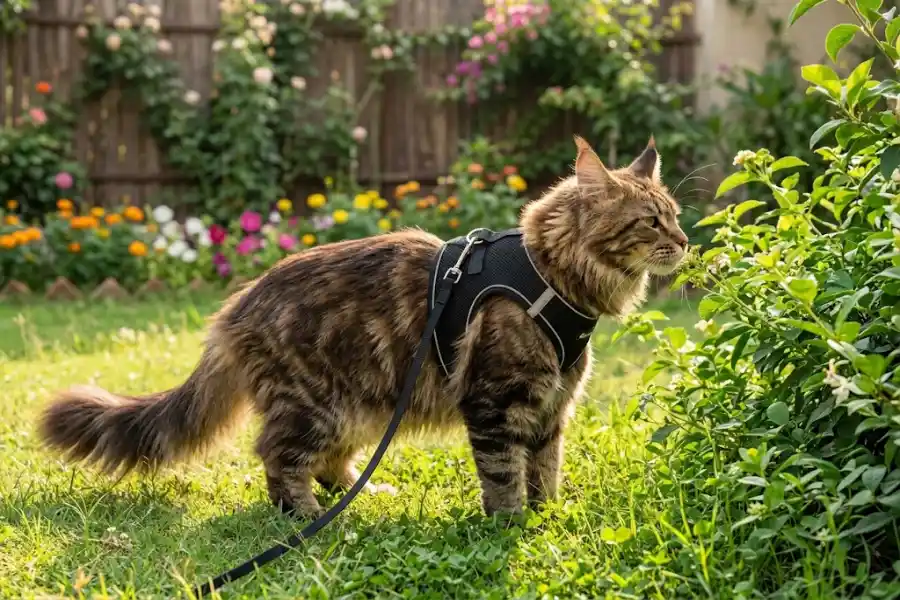
Carry your cat outside in a carrier. Do not walk her out the front door on the leash alone. Open space can feel like a lot all at once. Set the carrier down in a quiet spot. Let her step out and look around at her own pace.
Image placement: Alt text: “Maine Coon cat walking on a leash in a backyard during its first outdoor session”
Maine Coons carry a thick double coat. Hot pavement and direct sun can overheat them faster than you might expect. Walk in the early morning or evening during warm months. In cold weather, ten minutes outside is usually enough for a first try.
What If My Maine Coon Refuses the Harness?
Some cats push back hard at first. If yours goes stiff, flops over, or tries to wriggle out every time, slow the process down even more. Go back one step. Try wearing the harness for one minute at a time, paired with her favorite treat. Some owners find it helps to feed meals with the harness sitting nearby, then later placed on for just the length of the meal. Patience matters more than speed here. A cat who feels rushed is more likely to fight the process for weeks. A cat given time on her own terms often comes around within a month.
Common Mistakes That Slow Down Training
- Skipping indoor practice and heading straight outside
- Using a slip collar instead of a harness made for cats
- Holding the leash too tight, which can make a cat feel trapped
- Training in one long stretch instead of several short sessions
- Pushing forward after your cat has already shown clear stress signs
Safety Tips for Every Walk
- Keep an ID tag on the harness, and make sure your cat is microchipped too
- Stay away from busy roads, loose dogs, and crowded paths
- Check the harness fit each time, since fur can hide a strap that has come loose
- Never leave your cat tied up and alone, even for a minute
- Bring fresh water on longer or warmer walks
Why Leash Training Is Worth the Effort
A Maine Coon who gets outdoor time tends to be calmer indoors. Walks burn off energy that might otherwise turn into midnight zoomies or scratched furniture. Fresh air and new smells also give her busy mind something to work on, which matters for a breed known for its sharp curiosity.
Weighing the indoor versus outdoor debate? Leash walks offer a middle ground. Your cat gets fresh air and new sights. You stay in full control the whole time. This setup works well for Maine Coons living in apartments too, where outdoor space is limited and a supervised walk becomes her main taste of the outdoors.
Regular movement also supports a healthy weight, which plays a real role in a Maine Coon’s lifespan. Paired with good food and routine vet visits, a bit of daily activity adds up over the years.
Frequently Asked Questions
How long does it take to leash train a Maine Coon?
Most kittens adjust within one to two weeks of short daily sessions. Adult cats often need three to six weeks. Leash training speed depends far more on your cat’s personality than on any set schedule.
Do all Maine Coons enjoy walking outside?
No. Most take to it well because of their social, dog like nature. A few cats never warm up to a harness, no matter how much practice they get. If your cat keeps showing fear or stress, it is fine to stop. Enriched indoor play works as a fallback.
What is the best harness type for a Maine Coon?
A vest style or H style harness fits their broad chest and long body better than a figure eight style, which can slip on a cat this size. Look for adjustable straps at both the neck and chest for the most secure fit.
Can adult Maine Coons still learn to leash walk?
Yes. It takes more repeats than training a kitten, but adult cats can still learn with steady, patient practice.
Is it safe to walk a Maine Coon in cold or hot weather?
Short walks work in most weather, but skip anything below freezing or above 85 degrees. Their thick coat helps in the cold but works against them in heat. Keep summer walks short and scheduled for the cooler parts of the day.
Getting Started With Your Own Leash-Trained Maine Coon
Every Maine Coon moves through leash training at her own speed, and Maine Coon leash training rewards patience over speed. Start indoors. Keep sessions short. Reward calm behavior. Let your cat set the pace toward that first walk outside. Within a few weeks, what felt like an odd new object on her back can turn into one of her favorite parts of the day.