Maine Coon Cat: The Beginner’s Guide Every Cat Lover Needs
Hi, I’m Sarah K. I’ve spent years sharing my home with Maine Coons, starting with my very first one, Oliver, who taught me just how much this breed has to offer. Everything in this article comes from hands-on experience and research, and I hope it helps you as much as it has helped me.
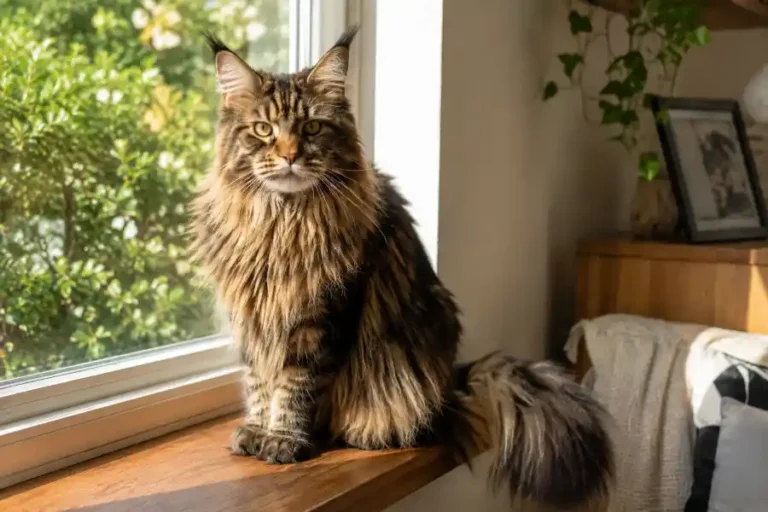
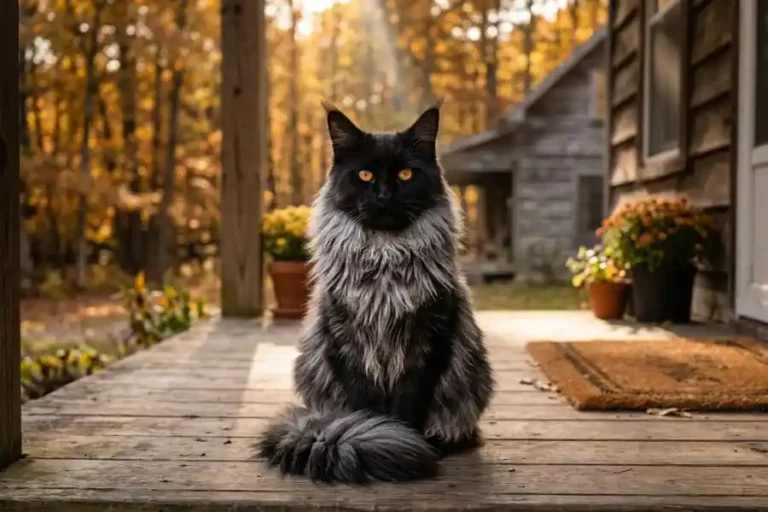
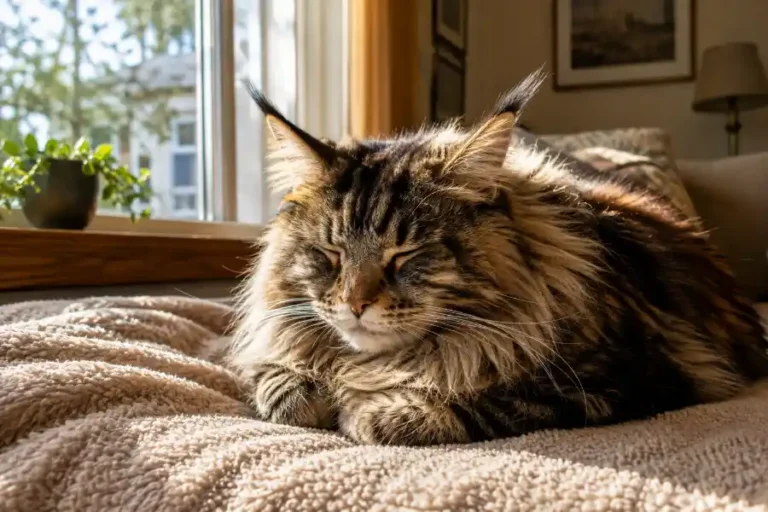
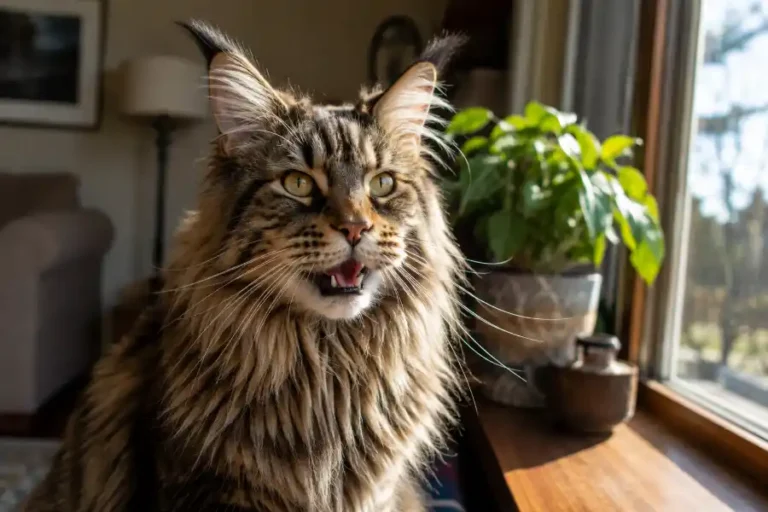
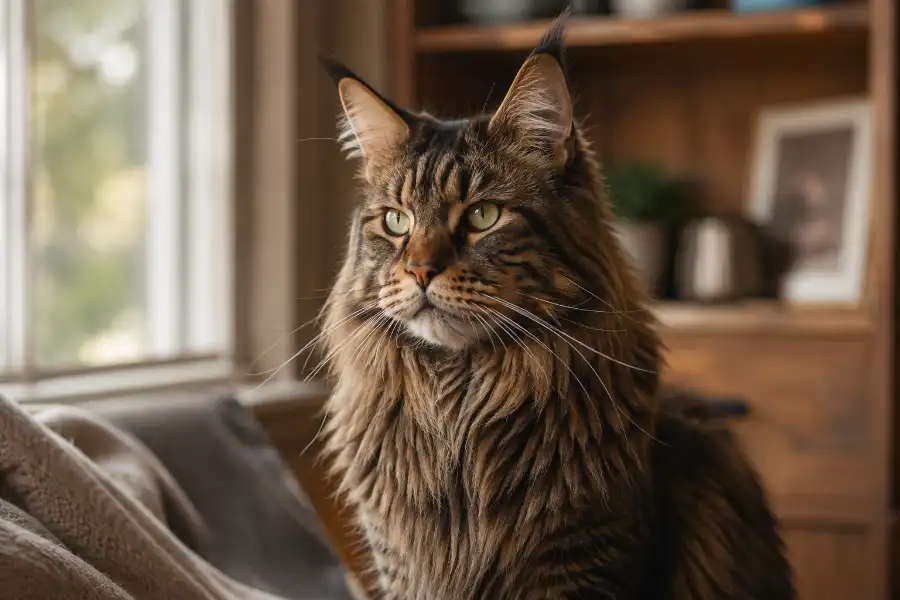
Picture a cat the size of a small dog. It has a lion-like mane, tufted ears like a lynx, and a tail so long it could wrap around your shoulders. Now picture that same giant curling up in your lap like a kitten, chirping instead of meowing, and following you from room to room like a loyal shadow. That is a Maine Coon.
This breed is genuinely one of the most loved cat breeds in the United States, and for good reason. But a cat this big comes with real needs, real costs, and a few health risks that every new owner should know before falling in love with those tufted ears. This article covers all of it, from the fun facts to the hard truths, in plain and simple language.
What Is a Maine Coon Cat?
The Maine Coon is a natural cat breed that developed in the cold state of Maine, USA. Nobody planned this breed in a lab. It simply survived and adapted over many generations of harsh New England winters. That history explains almost everything about how this cat looks and acts today.
There is an old myth that Maine Coons came from cats mating with raccoons. This is biologically impossible since cats and raccoons are different species and cannot produce offspring together. The myth likely started because of the breed’s bushy, ringed tail, which does look a bit raccoon-like. The real story is simpler: early domestic cats brought over by settlers and sailors bred freely and adapted to the cold, growing thick coats and large bodies to survive.
In 1985, the Maine Coon became the official state cat of Maine, a title that recognizes just how deeply this breed is tied to American history.
Size and Appearance: Why People Call Them Gentle Giants
Maine Coon Cats are one of the largest domestic cat breeds in the world. Here is what you can expect:
- Adult males typically weigh 13 to 18 pounds (6 to 8 kg)
- Adult females typically weigh 8 to 12 pounds (4 to 6 kg)
- Some exceptional males can top 20 pounds
- Body length, including the tail, can reach 3 to 4 feet
Unlike most cats, Maine Coons grow slowly. While many breeds reach full size by their first birthday, a Maine Coon may not finish growing until age 3 to 5. If you adopt a kitten, do not be surprised if it is still filling out well into its toddler years.
Their physical traits serve a purpose beyond good looks. The thick double coat, tufted paws, and bushy tail all worked as survival tools in cold climates. The tail alone can be wrapped around the body and face like a warm scarf during sleep.
A Fun Trait Many Owners Do Not Expect
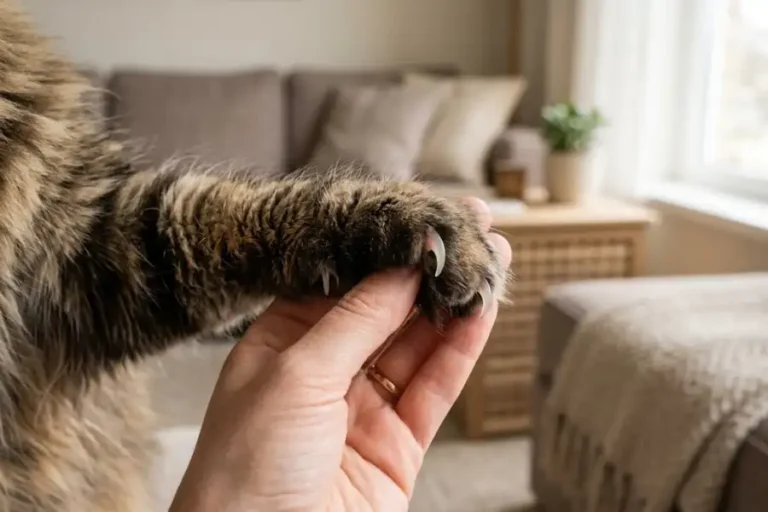
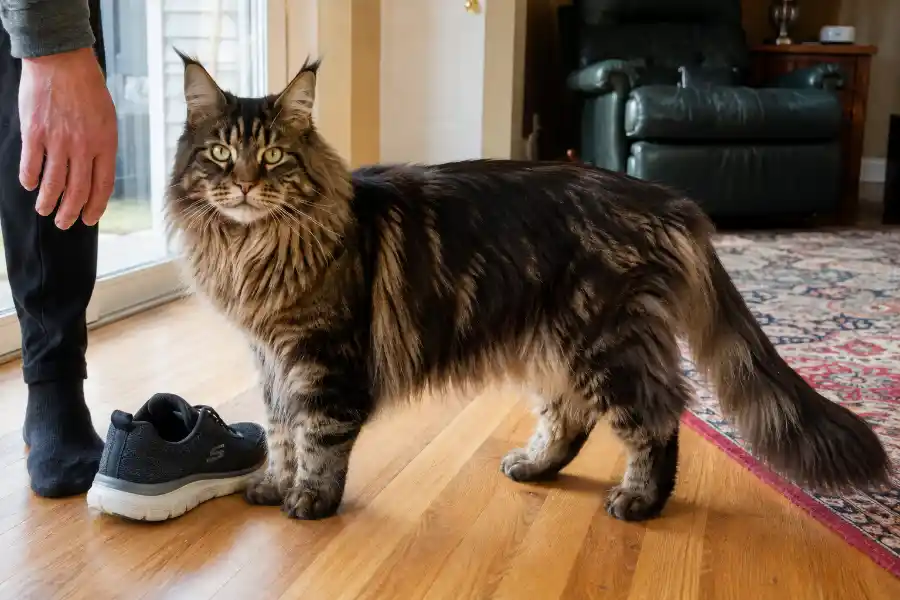
Many Maine Coons carry a gene for polydactylism, meaning extra toes. A normal cat has 18 toes total. Some Maine Coons are born with 20 or more, giving them wide, mitten-like paws that early sailors valued for better balance on ships. While breed standards today favor the standard toe count, polydactyl Maine Coons still show up, especially in rescues and non-show lines.
Personality and Temperament
Despite their intimidating size, Maine Coons are famous for being gentle, playful, and easygoing. They are often called “dog-like” cats, and once you meet one, you will understand why.
- Affectionate: They enjoy being near their people, though many are not big fans of being held or carried
- Playful: They keep a kitten-like sense of fun well into adulthood
- Social: They generally do well with children, other cats, and even dogs
- Chatty: Instead of a loud meow, most Maine Coons communicate with soft chirps and trills
- Smart: They can learn tricks, walk on a leash, and even play fetch
This mix of intelligence and affection is a big reason so many families fall for this breed. It genuinely behaves less like a typical aloof cat and more like a devoted companion.
The Real Cost of Owning a Maine Coon in the USA
This is where many beginner guides leave out important details. The price tag on a Maine Coon depends heavily on where the cat comes from.
- Shelter or rescue adoption: Usually $50 to $200, though purebred Maine Coons are rare finds in shelters
- Pet-quality kitten from a small or hobby breeder: Roughly $800 to $2,000
- Kitten from a reputable, health-tested breeder: Often $1,500 to $4,000 or more, depending on bloodline and location
- Show-quality or rare-colored kittens: Can exceed $4,000
A low price is not always a bargain. Cheaper kittens often come without genetic health testing, vaccinations, or a health guarantee, which can lead to far higher vet bills later. A higher price from a responsible breeder usually reflects real costs: heart screenings, hip evaluations, and proper early care.
The purchase price is also just the beginning. Because Maine Coons are large, they eat more than an average cat, need bigger litter boxes and carriers, and may need more frequent vet checks due to breed-specific health risks. Many owners find that food, litter, grooming tools, and routine vet care add up to $600 to $1,000 per year, not counting emergencies.
Feeding Your Maine Coon the Right Way
Maine Coons are obligate carnivores, which means their bodies are built to run on meat, not fillers like corn or wheat. Because of their large, muscular frames, they need more protein than the average house cat.
- Look for food where real meat is the first ingredient
- Aim for a protein content of 40 percent or higher on a dry-matter basis
- Feed kitten-formula food until around 9 to 12 months old, since their growth period is longer than most breeds
- Always provide fresh water, and consider a cat water fountain since many Maine Coons prefer moving water
- Use measured portions instead of leaving food out all day, since this breed can overeat if given the chance
Obesity is a real risk for this breed simply because Maine Coons have such big appetites. Extra weight puts more strain on their joints and heart, which matters even more given the health issues below.
Grooming: It Takes More Than a Quick Brush
That gorgeous coat does not stay tangle-free on its own. The good news is that Maine Coon fur is silkier and less prone to matting than it looks, since it lacks a thick undercoat compared to some other long-haired breeds.
- Brush 2 to 3 times a week with a metal comb or slicker brush
- Brush daily during spring and fall shedding seasons
- Check and clean ears regularly to prevent wax buildup
- Trim nails every few weeks
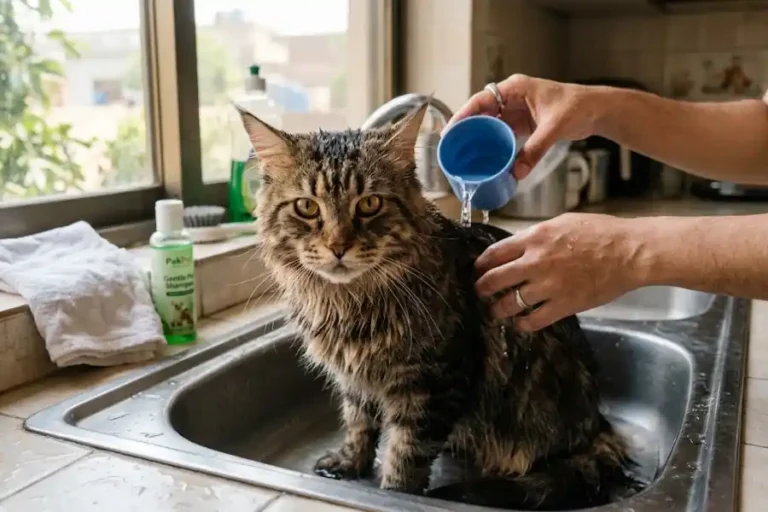
- Bathe only a few times a year, unless your cat gets especially dirty. Interestingly, many Maine Coons genuinely enjoy water
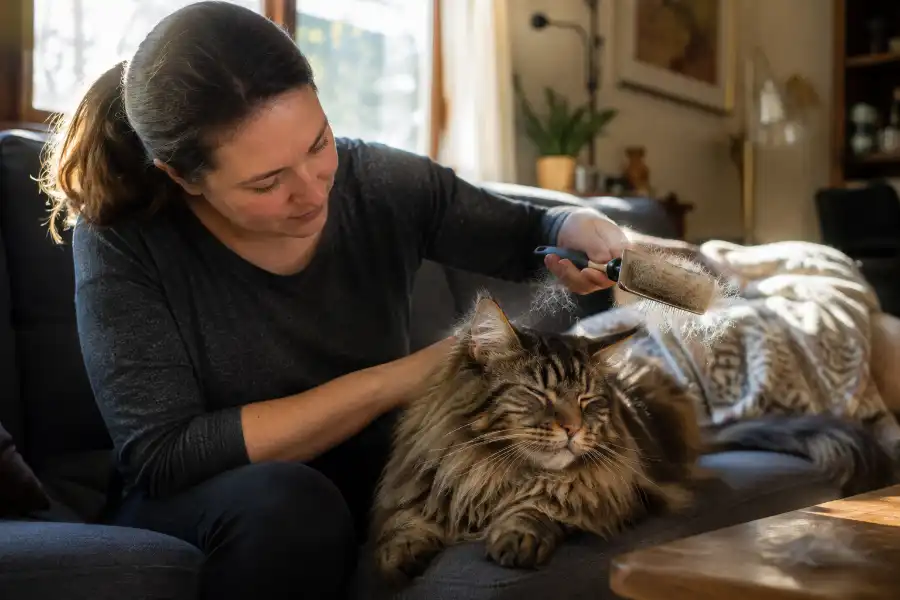
Start grooming routines early, even with a young kitten. A Maine Coon that gets used to brushing, nail trims, and ear checks as a baby will grow into an adult that barely notices the routine.
Exercise and Mental Stimulation
A cat this smart gets bored easily, and a bored Maine Coon can become destructive or overweight. Aim for at least 20 to 30 minutes of active play each day.
- Wand toys and feather teasers work well for their hunting instinct
- Puzzle feeders slow down fast eaters and provide mental exercise
- Tall cat trees give them the vertical space they crave, since Maine Coons love to climb and perch
- Some owners successfully train their Maine Coon to walk on a harness and leash
Health Issues Every Owner Should Know Before Bringing One Home
This is the part many beginner guides skip over, but it may be the most important section in this entire article. Understanding these risks is not meant to scare you. It is meant to help you catch problems early and choose a responsible breeder if you go that route.
Hypertrophic Cardiomyopathy (HCM)
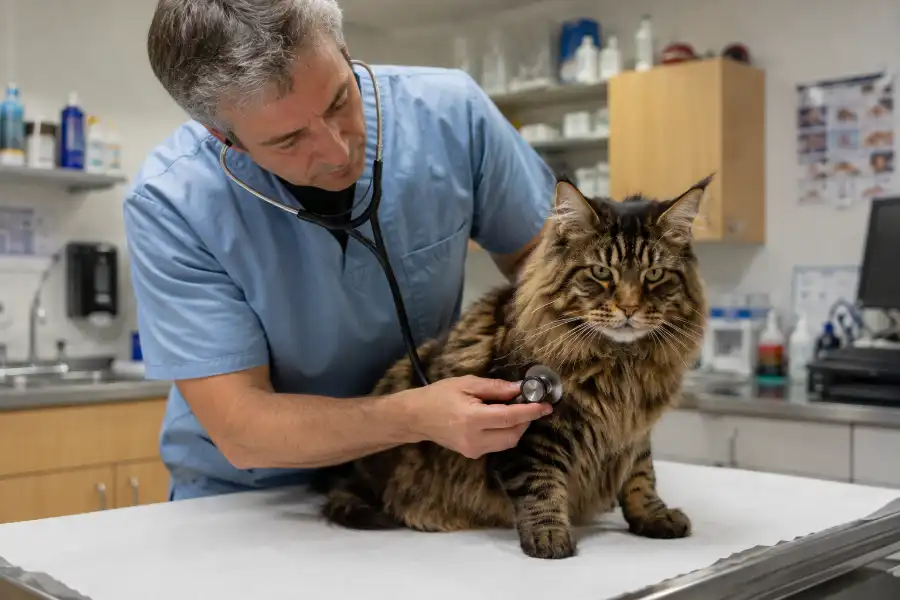
HCM is the most serious health concern in this breed. It is a genetic heart disease that causes the walls of the heart to thicken over time, which can reduce how well the heart pumps blood. Researchers have linked a specific gene mutation, called MYBPC3 A31P, to increased HCM risk in Maine Coons. A cat can carry this mutation and still live symptom-free for years, since the disease has what scientists call “incomplete penetrance.” That means not every carrier develops obvious symptoms, but the risk is still real.
Warning signs can include rapid breathing, lethargy, or sudden collapse, though many affected cats show no symptoms until the disease is advanced. This is why annual vet checkups, including listening for heart murmurs, matter so much for this breed. If you are buying from a breeder, ask directly whether the parent cats have been tested for the MYBPC3 mutation and screened by a veterinary cardiologist.
Hip Dysplasia
Because of their large size, Maine Coons can be prone to hip dysplasia, a condition where the hip joint does not fit together properly. This can lead to stiffness or discomfort later in life. Keeping your cat at a healthy weight significantly lowers the strain on their joints.
Spinal Muscular Atrophy (SMA)
This is a genetic condition that affects muscle strength in the back legs. Reputable breeders test for this and will not breed carriers together, which is another reason working with a health-conscious breeder matters.
None of this means every Maine Coon will face these problems. Many live long, healthy lives averaging 12 to 15 years. But going in informed means you can act fast if something seems off, rather than dismissing early symptoms.
Setting Up Your Home for a Giant Cat
Regular cat furniture often was not built with a 20-pound cat in mind. A few adjustments make a big difference:
- Choose a large litter box. Standard boxes are often too small, which can lead to a Maine Coon hanging awkwardly over the edge
- Invest in a sturdy, wide cat tree, since flimsy ones can tip under their weight
- Get a larger carrier for vet visits, since standard carriers can feel cramped
- Give them vertical space, like shelves or cat trees, since they love to climb and observe from up high
Finding a Responsible Breeder or Rescue
If you are buying rather than adopting, take your time here. A few warning signs can save you from years of heartbreak and vet bills:
- Red flag: The breeder cannot show proof of HCM or SMA genetic testing on the parents
- Red flag: Kittens are available younger than 12 weeks old
- Red flag: The breeder will not let you see where the kittens are raised, in person or by video call
- Good sign: The breeder asks you just as many questions as you ask them
- Good sign: They offer a written health guarantee
Do not overlook rescue groups either. Maine Coon and Maine Coon mix cats do show up in shelters and breed-specific rescues, often at a much lower cost, and adult cats come with the bonus of an already-known personality.
Your First Week With a New Maine Coon: A Simple Checklist
- Set up a quiet room with food, water, and a litter box before your cat arrives
- Schedule a vet visit within the first week, even if your cat seems healthy
- Keep the same food they were eating at first, then transition slowly to avoid stomach upset
- Let your cat explore one room at a time instead of the whole house at once
- Start gentle grooming and handling early to build trust
- Be patient. Even a confident-looking kitten may need a few days to settle in
Frequently Asked Questions
Are Maine Coon cats good for beginners?
Yes. Their easygoing, affectionate nature makes them a good fit for first-time cat owners, though their grooming needs and health monitoring require some commitment.
Do Maine Coon cats really act like dogs?
In behavior, somewhat. Many follow their owners around the house, learn simple tricks, and greet people at the door, which is why they earned the “dog-like” nickname.
How big do Maine Coon cats really get?
Males typically reach 13 to 18 pounds, with some cats exceeding 20 pounds. They also grow slowly, often not reaching full size until age 3 to 5.
Is a Maine Coon a high-maintenance cat?
Their grooming needs are moderate rather than extreme, but their health monitoring, especially for heart disease, deserves real attention throughout their life.
What is the biggest health risk for this breed?
Hypertrophic cardiomyopathy, a genetic heart condition, is the most serious concern. Regular vet checkups and, if possible, genetic testing help catch it early.
Final Thoughts
A Maine Coon is more than a pet. It is a decade-plus commitment to a giant, affectionate, occasionally chatty companion that will absolutely take over your favorite chair. If you go in with realistic expectations about cost, grooming, and health screening, you are setting yourself and your future cat up for a genuinely wonderful life together.
By the way, I started Maine Coon Pet Guide because I wanted new owners to have the kind of guidance I wish I had when I brought Oliver home. If this article helped, you will find more tips on health, diet, and grooming right here on the website.