Black Maine Coon Cat: Size, Price, and Rarity Explained
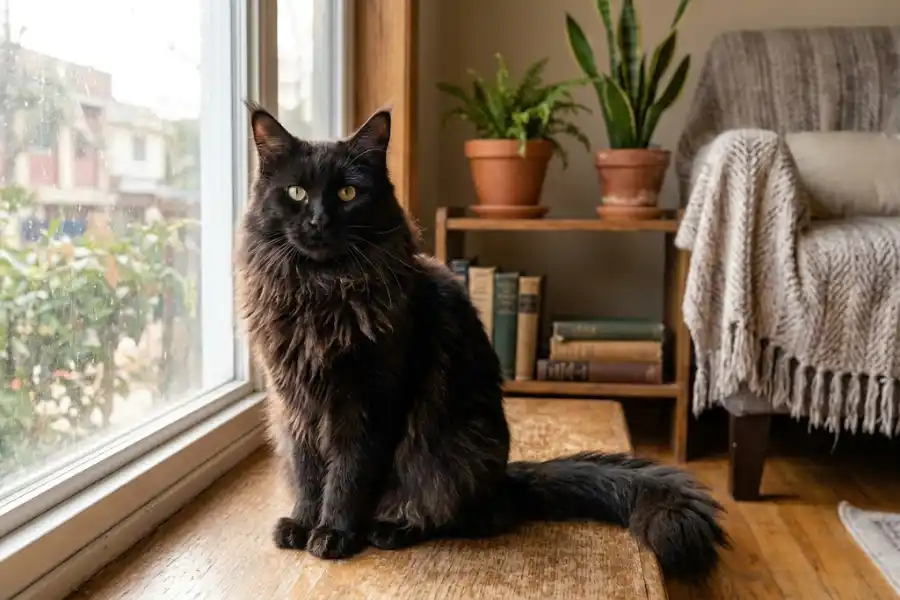
Picture a cat the size of a small dog, wrapped in fur as dark as midnight, with eyes that seem to glow when the light hits them just right. That is a black Maine Coon. Once you see one in person, you will not forget it.
But here is the problem. Search online for “black Maine Coon,” and you will find pages that flatly contradict each other. One site says the color is rare. Another says it is common. One breeder lists kittens for $500. Another charges $6,500. So which one is true?
This article clears up the confusion. Below, you’ll find what makes a black Maine Coon different (and what does not), how to spot a real one, what they tend to cost, and a few things most articles skip entirely, like why a black coat can turn reddish-brown in the sun, and how to tell if the “black Maine Coon” you found at a shelter is the real deal or just a look-alike.
What Is a Black Maine Coon Cat?
A black Maine Coon is not a separate breed. It is a regular Maine Coon, the same big, fluffy, friendly cat that started in the state of Maine, just with a solid black coat instead of the more familiar brown tabby pattern.
The color comes from a pigment called eumelanin. When a kitten inherits two copies of the black version of this gene, and does not also inherit the tabby pattern gene, the result is a coat that is black from root to tip. Both the Cat Fanciers’ Association and The International Cat Association recognize solid black as an official Maine Coon color, so it is not some rare designer variety. It is simply one option nature offers within a breed that can come in dozens of colors and patterns.
Are Black Maine Coons Rare?
This is where a lot of websites disagree, and the real answer sits in the middle. Solid black is not the rarest color in the breed (that title usually goes to solid white), but it is also not the most common. The classic brown tabby remains the most typical look for a Maine Coon, and solid black shows up less often in most litters.
So a black Maine Coon is best described as uncommon, not rare. You may wait longer for a breeder to have one available, but you are not searching for a needle in a haystack. Demand also plays a role. Because black cats look dramatic and photograph well, more buyers ask for them, which can make them feel scarcer than they really are.
Black Maine Coon vs. Black Smoke Maine Coon
Many people searching for a black Maine Coon are actually picturing a black smoke without realizing it. The two look similar at first glance but are genetically different.
- Solid black: The hair is black from the root all the way to the tip. No hidden color underneath.
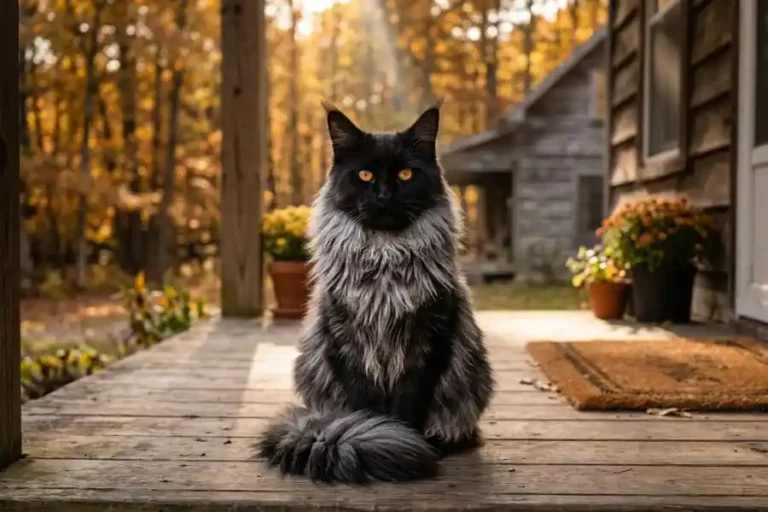
- Black smoke: The tips of the hair are black, but the roots are white or silver. This comes from an extra gene called the inhibitor gene.
- The easy test: Gently part the fur near the base of the tail in good light. If you see white or silver at the roots, you have a smoke. If it is black all the way down, it is solid.
- Movement gives it away too: A black smoke often shows a shimmering, silvery effect when the cat walks, especially around the neck ruff and ears. A solid black stays flat and matte in every light.
Neither version is worth more simply because of color, no matter what a listing might claim. Price depends far more on the breeder’s reputation, health testing, and pedigree than on which shade of black your kitten has.
The Sun Bleaching Problem Nobody Warns You About
Here is something most black Maine Coon articles leave out entirely. Black fur, on any cat, can fade with regular sun exposure. Over time, sunlight breaks down the pigment in the hair, and a jet-black coat can slowly shift toward a rusty, reddish-brown, especially along the back and shoulders where the sun hits most.
This is not a health problem, and it does not mean your cat’s color was misidentified. It is simply sun bleaching, the same process that fades a black t-shirt left on a clothesline. If your black Maine Coon spends time near a sunny window or on an outdoor patio, do not be surprised if the coat looks a shade lighter after a summer. Keeping the cat out of direct, prolonged sun and feeding a diet with enough copper and quality protein can help the color stay richer for longer.
Kitten Coat vs. Adult Coat: Why the Color Seems to Change
If you brought home a black Maine Coon kitten and noticed faint stripes that later vanished, you did not imagine it. Many black kittens are born with a soft “ghost tabby” pattern, faint shadows of stripes that show up under bright light. As the kitten grows, these markings usually fade and disappear by the time the cat reaches full adult coat, typically between one and two years of age.
This is completely normal and is not a sign that the kitten was mislabeled. It is simply how the non-agouti gene, the one responsible for suppressing tabby patterns, finishes expressing itself as the coat matures.
Does Coat Color Affect Personality?
No, and this point deserves more attention than most articles give it. There is an old superstition that black cats are unfriendly, unlucky, or aloof. None of that applies here. A black Maine Coon has the exact same temperament as any other color in the breed: gentle, sociable, and famously good with families and other pets.
Maine Coons are sometimes called “the dogs of the cat world” because many enjoy following their owners from room to room, playing fetch, and greeting people at the door. Instead of loud meowing, they tend to communicate in soft chirps and trills. Coat color has no scientific connection to any of these traits. Personality comes from genetics related to temperament and, just as importantly, from how a kitten is raised and socialized.
If you remember only one thing from this guide, remember this: color is skin (and fur) deep. A black Maine Coon will not act any differently than its tabby, white, or red littermates.
Size and Lifespan
Black Maine Coons grow to the same impressive size as the rest of the breed. Adult males typically weigh between 13 and 25 pounds, while females usually land between 8 and 15 pounds. Including the tail, some individuals stretch close to 40 inches long, making the Maine Coon one of the largest domestic cat breeds in the world.
Growth is slow. Most Maine Coons, black ones included, do not reach full adult size until they are three to five years old. Maine Coon lifespan is another thing to plan for: healthy, well cared for cats commonly live between 9 and 15 years, sometimes longer with good veterinary care and a healthy weight.
How to Tell If Your Black Cat Is Really a Maine Coon
This is one of the most common reasons people search this topic, and almost no article addresses it directly. Plenty of black domestic cats get called “Maine Coons” at shelters or by casual sellers simply because they are big and fluffy. Here is how to check for the real thing:
- Ear tufts: Look for tufts of fur poking out of the ear tips, similar to a lynx.
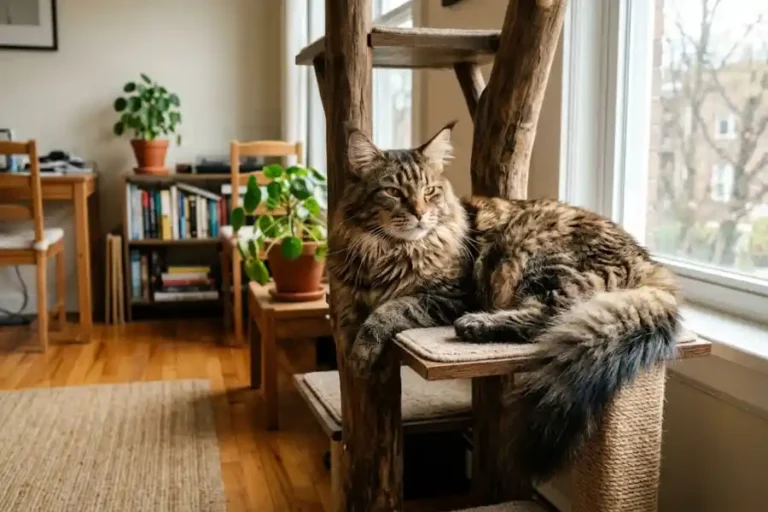
- Body shape: A true Maine Coon has a long, rectangular body, not a round or compact one.
- The ruff: A thick collar of fur around the neck and chest, more noticeable in adult males.
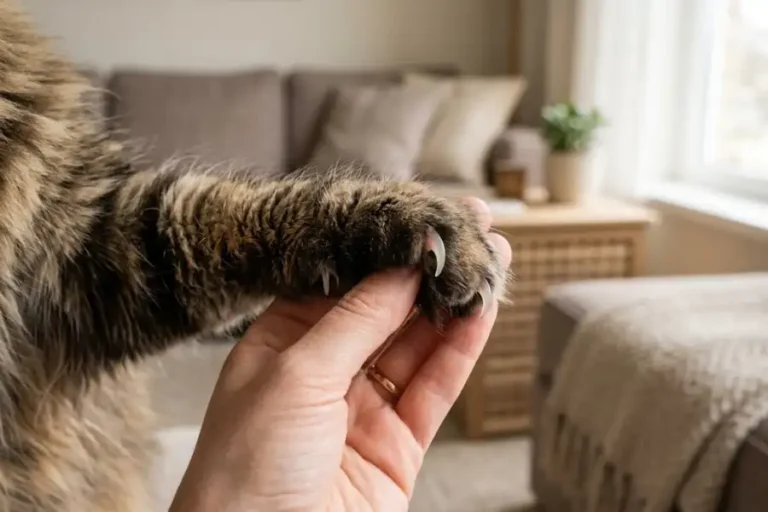
- Tufted paws: Extra tufts of fur between the toes, often called “snowshoe feet.”
- The voice: Chirps, trills, and soft chirring sounds instead of a typical loud meow.
- Slow growth: If the cat is still visibly filling out and growing past age two, that points toward Maine Coon genetics.
If you want certainty rather than a guess, a cat DNA test can confirm Maine Coon ancestry with real accuracy, and it is a smart step before paying a premium price for a kitten advertised as purebred.
Grooming a Black Maine Coon
The semi-long, water-resistant coat of a Maine Coon needs regular attention no matter the color, but black fur has one extra quirk: it shows dust, dandruff, and stray white hairs far more obviously than lighter colors.
- Brush two to three times a week with a wide-tooth comb or slicker brush to prevent mats, especially behind the ears and around the britches.
- During spring and fall shedding seasons, brushing daily helps manage the heavier coat blow-out.
- Bathe only when needed. Most Maine Coons tolerate water better than other breeds, and an occasional bath can keep a black coat looking glossy rather than dull.
- Wipe the eyes and ears weekly, since dark fur can hide early signs of discharge or wax buildup that would be obvious on a lighter cat.
Health Considerations
Color has no effect on health, but the breed as a whole carries a few known risks worth knowing about. Reputable breeders screen for hypertrophic cardiomyopathy (a heart condition), hip dysplasia, and spinal muscular atrophy, all of which appear at higher rates in Maine Coons than in the general cat population.
Before buying any black Maine Coon kitten, ask to see health testing records for both parents. A breeder who cannot produce this documentation is a warning sign, regardless of how striking the kitten’s coat looks in photos.
How Much Does a Black Maine Coon Cost?
Prices vary widely because so many articles quote different numbers, and the truth is that both extremes exist depending on where you look. Pet-quality black Maine Coon kittens from a reputable, health-tested breeder generally fall between $1,000 and $2,500. Kittens with premium pedigrees, show potential, or breeding rights can run considerably higher, sometimes reaching $3,500 to $6,500 or more.
Lower prices, especially anything under a few hundred dollars, deserve caution. They often signal an unregistered backyard breeder, missing health testing, or in some cases, a scam involving a cat that is not a purebred Maine Coon at all.
Where to Find a Black Maine Coon
You have two realistic paths: a breeder or adoption.
- Breeders: Look for membership in CFA or TICA, ask for health clearances on both parents, and expect a waiting list. Solid black litters are not produced constantly, so patience matters more than urgency.
- Adoption: Purebred Maine Coons occasionally end up in shelters or breed-specific rescues, often for less than half the cost of a breeder kitten. Be aware that many “black Maine Coon” cats listed on adoption sites are really domestic longhair mixes with a similar look, so use the checklist earlier in this article before assuming you have found a purebred.
- Red flags: Avoid sellers who refuse video calls, cannot provide vet records, or pressure you to pay a deposit immediately. Scammers sometimes advertise “black smoke” kittens that are really just black cats with a temporary lighter undercoat from age, not genetics.
Frequently Asked Questions
Are black Maine Coons friendly?
Yes. Personality in Maine Coons comes from breed temperament and upbringing, not coat color. Black Maine Coons are just as social and affectionate as any other color.
Do black Maine Coons change color as they age?
Many kittens show faint ghost stripes that fade by adulthood, and sun exposure can gradually shift black fur toward a rusty brown tone over time. Both changes are normal.
What eye color do black Maine Coons have?
Breed standards typically favor green, gold, or copper eyes in solid black cats, though exact shades can vary between individual cats.
Is black the rarest Maine Coon color?
No. Solid white is generally considered the rarest recognized color in the breed. Black is uncommon but not the rarest.
How can I confirm my cat is a purebred Maine Coon?
Check for ear tufts, a rectangular body, tufted paws, a thick ruff, and slow growth past age two. For certainty, a DNA test is the most reliable option.
A black Maine Coon is, in many ways, the Maine Coon breed at its most striking: a large, affectionate, endlessly curious cat, wearing the most dramatic coat color the breed offers. Whether you find one through a dedicated breeder or a lucky rescue match, knowing the real facts, not the recycled myths, will help you make a confident choice and give your new companion the care it truly needs.